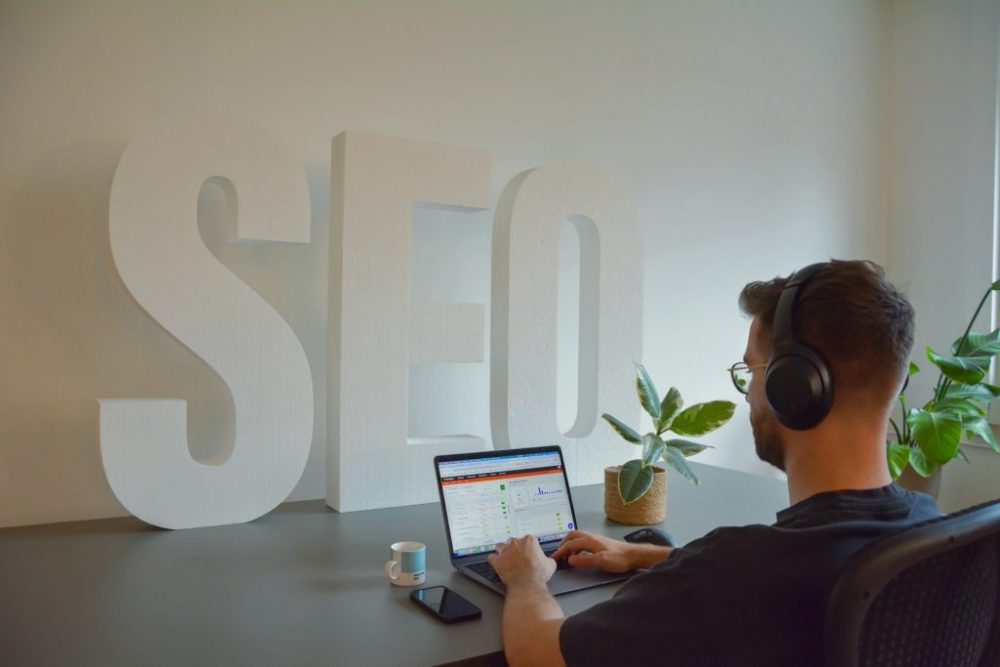
If you’re looking to grow your business, it’s not only important to have a good-looking website – you need to make sure it reaches your target audience. Search engine optimization (SEO) is a good way to drive traffic to your website without paying for each click. A digital marketing agency Manchester can get you one step ahead of your rivals. But whether you want to outsource it or do it yourself, you’ll still need to get back to basics. Here are the nine top ways you can increase website traffic with SEO.
1. Homework (Keyword Research)
Understanding which keywords your target audience is searching for is the first step of SEO. Use the Google Keyword Planner, Ubersuggest or Ahrefs to find keywords related to your business that have a decent level of search volume. You’ll want to find a mix of short and long-tail keywords. Long-tail keywords are longer, more specific keywords that are less competitive and, thus, easier to rank for, especially if you are starting a new website. This is the first step to success.
2. Improve Your On-Page SEO
On-page SEO is all the elements that you can control on your site. This includes your page titles, meta descriptions, headings (H1, H2, H3), web addresses and alt text for your images. Your page title and your first paragraph should contain the keyword. Structuring your page makes it easier for people and search engines to understand your content. Avoid keyword stuffing – write for humans, and then optimise for search engines.
3. Create Valuable Content
Content is an important driver for organic traffic. Through the creation of blog posts, white papers, case studies and educational articles your website becomes dynamic and search engines will have more to index. A digital marketing agency in Manchester will probably tell you to put together a content calendar to schedule publishing. Write about topics that your audience cares about – answer their questions, solve their problems and pass on useful information. Good content grants you authority and trust.
4. Speed Up Your Site
Google has listed page speed as a ranking signal, and a slow-loading site will cost you rankings and conversions. Anything more than three seconds and you risk losing a good number of users. Compress and optimise images, enable caching, minify CSS and JavaScript and use a content delivery network (CDN) to serve your site from multiple data centres. Google’s (free) PageSpeed Insights is helpful.
5. Acquire Backlinks From Authority Sites
Backlinks – links from other sites to your own – remain a key part of the Google algorithm. Backlinks are like recommendations. Try to gain links from relevant, industry-specific sites that are authoritative via guest blogging, PR or creating link-worthy content. Don’t buy links or engage in link schemes as they can result in heavy penalties from Google that are difficult to recover from.
6. Make Your Site Mobile-friendly
Google is now using mobile-first indexing, so it will be indexing your mobile site first to work out your site’s ranking. With over 50% of internet traffic coming from mobile, it’s a serious problem if your site isn’t mobile friendly. Make your site responsive, so it isn’t stretched when viewed, ensure your buttons and links are big enough to click on and check your text isn’t too small. The Google Mobile-Friendly Test will highlight any issues.
7. Have a Good Internal Linking Strategy
Internal links are links from one page of your site to another, and help search engines find and understand your site. When you create new pages or posts, find other pages or posts that are relevant to link to. This will help the equity (ranking potential) of your site and ensure your visitors stick around to read more of your content. Try to use link text to describe what the link is about, rather than “click here”.
8. Don’t Forget Local SEO
If you are a local service provider for a specific city or town, local SEO can be a great source of traffic. First, set up your Google Business Profile with your address, phone number, business hours, photos and business description. Make sure your business is listed accurately on local directories. Encourage customers to review your business, which affects search engine rankings and provides social proof to potential customers.
9. Track and Optimise
SEO is an ongoing process. Make use of Google Analytics and Google Search Console to monitor your organic traffic to see where it is coming from what terms people are searching for to find you and whether you have any errors that could be affecting your performance. Review your data monthly, monitor those pages and keywords. Make improvements and watch out for any Google algorithm changes.
Conclusion
SEO is a long game when it comes to driving traffic to your website but it’s a worthwhile game. By sticking to these nine tips – such as conducting proper keyword research creating quality content speeding up your website, gaining backlinks and focusing on local SEO – you’ll start to gain more exposure and the right type of traffic

More Stories
How to Choose the Best SEO Company in Singapore for Your Business
How Transparent VAT Pricing Can Improve Shopify Store Conversions
How Health Brands Can Use Visual Search to Reach More Consumers