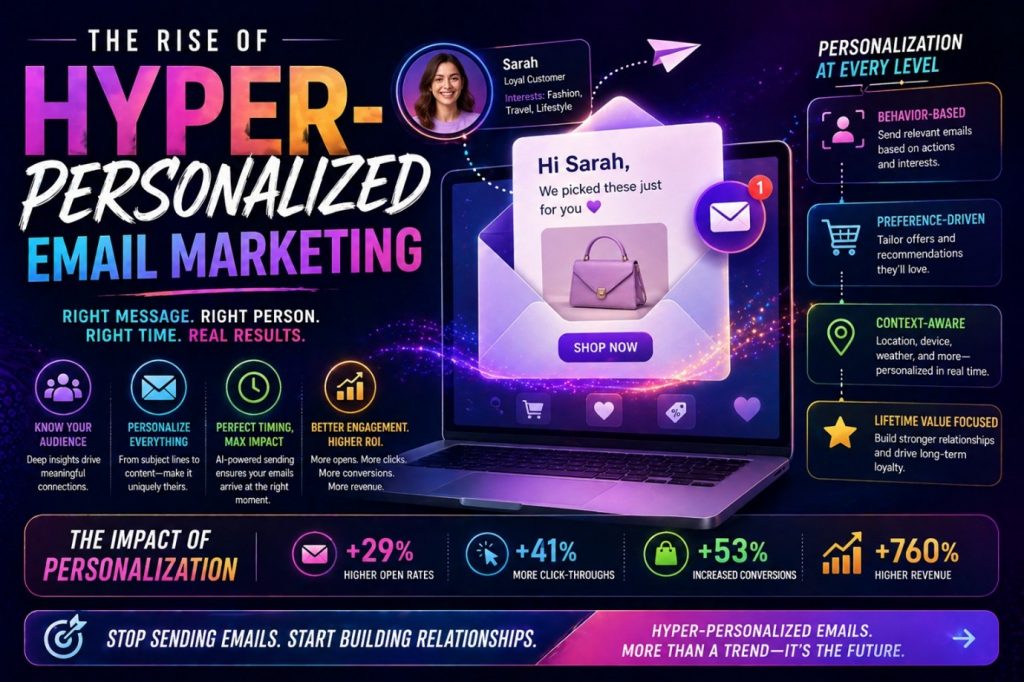
A few years back, most marketing emails felt pretty much the same. Same layout, same cheerful headline, same “limited time offer” that somehow lasted two weeks. You’d open one, skim for three seconds, then close it. Or delete it without opening. Sometimes that too.
People got used to ignoring email because brands gave them a lot to ignore.
Now things are shifting. Companies are realizing that if every subscriber gets the same message, most of those messages are wasted. That’s where hyper-personalized email marketing comes in. It’s less about sending more emails and more about sending emails that actually make sense for the person receiving them. Strange concept, maybe, but effective.
Personalization Is No Longer Just a First Name
There was a time when adding “Hi Sarah” at the top of an email counted as personalization. For a while, that worked. Or at least marketers said it worked.
Today, people expect more than that. If someone bought running shoes last week, sending them an email about kitchen knives the next day feels random. If a customer always shops during seasonal sales, they may care more about timing than brand storytelling.
Hyper-personalization looks at these patterns and adjusts messaging accordingly. It uses behavior, interests, purchase history, engagement habits, and timing to make emails feel more relevant.
Not magical. Just smarter.
Why Generic Campaigns Are Losing Power
Inboxes are crowded now. Work emails, newsletters, promotions, receipts, spam pretending not to be spam. Attention is limited, and people make fast decisions.
If an email looks generic, it often gets ignored before it even has a chance. That’s the harsh reality.
Relevant emails, though, still get opened. If the subject line connects to something recent, or the offer feels timely, people notice. They may not always click, but at least you’re in the game.
That’s why brands are moving away from batch-and-blast campaigns. Those campaigns can still work sometimes, but they are getting weaker every year.
The Customer Information System Behind the Scenes
To personalize properly, businesses need organized data. Otherwise, they’re just guessing with confidence.
A Customer Information System helps bring together purchase history, browsing activity, email engagement, preferences, and customer service interactions in one place. That unified view makes segmentation far more useful.
For example, instead of emailing everyone the same discount, a business can send one message to first-time buyers, another to repeat customers, and something completely different to inactive subscribers.
That usually performs better because it respects context.
And context matters more than marketers sometimes admit.
Timing Can Matter More Than Copy
This part gets overlooked a lot. Even good emails fail when sent at the wrong moment.
Some subscribers check emails during breakfast. Others open them late at night while pretending to be productive. Some engage right after browsing products, while others need a few days.
Modern email systems track these habits and adjust send times automatically. So two people might receive the same campaign at completely different hours based on past behavior.
It sounds small, but small things often drive results. Anyone who has sent an important text at the wrong time already knows this principle.
Useful Feels Better Than Clever
There was a phase when marketers chased clever subject lines more than relevance. Some still do.
But many readers would rather receive a straightforward email that helps them than a witty headline attached to something irrelevant. If someone needs a refill, remind them. If they abandoned a cart, offer help or clarity. If they regularly buy a category, show them something genuinely aligned.
Useful beats flashy more often than people think.
That can be disappointing news for copywriters who love dramatic wordplay, but here we are.
There Is a Line You Shouldn’t Cross
Hyper-personalization can go wrong when brands overdo it. We’ve all seen emails that know just a bit too much.
Mentioning a recent purchase can be helpful. Referencing every click, page visit, and browsing pause can feel invasive. Customers want relevance, not surveillance.
The smartest brands understand restraint. They use data to improve experience, not to show off how much they know.
Subtlety is underrated in marketing.
Smaller Businesses Have an Opening Here
This trend is not only for giant companies with giant budgets. Smaller brands can do very well because they often understand their audience better.
A focused business with a clean Customer Information System and thoughtful email flows can outperform a bigger brand sending lazy mass campaigns. That happens more than people think.
Being smaller sometimes means being closer to the customer. That’s valuable data in itself.
What Happens Next
Email is not disappearing. It’s just becoming less forgiving. Lazy campaigns get ignored faster. Relevant campaigns stand out more.
Hyper-personalized email marketing is rising because people respond when communication feels timely, useful, and human. Not perfect, just thoughtful.
That’s probably the real shift here. Technology helps deliver the message, but understanding the person still matters most. Funny enough, after all the automation, we end up back at the human part again.


More Stories
How to Choose the Best SEO Company in Singapore for Your Business
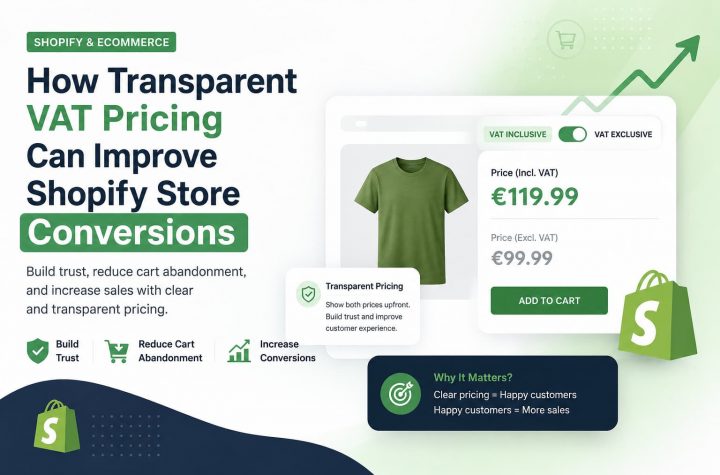
How Transparent VAT Pricing Can Improve Shopify Store Conversions
How Health Brands Can Use Visual Search to Reach More Consumers