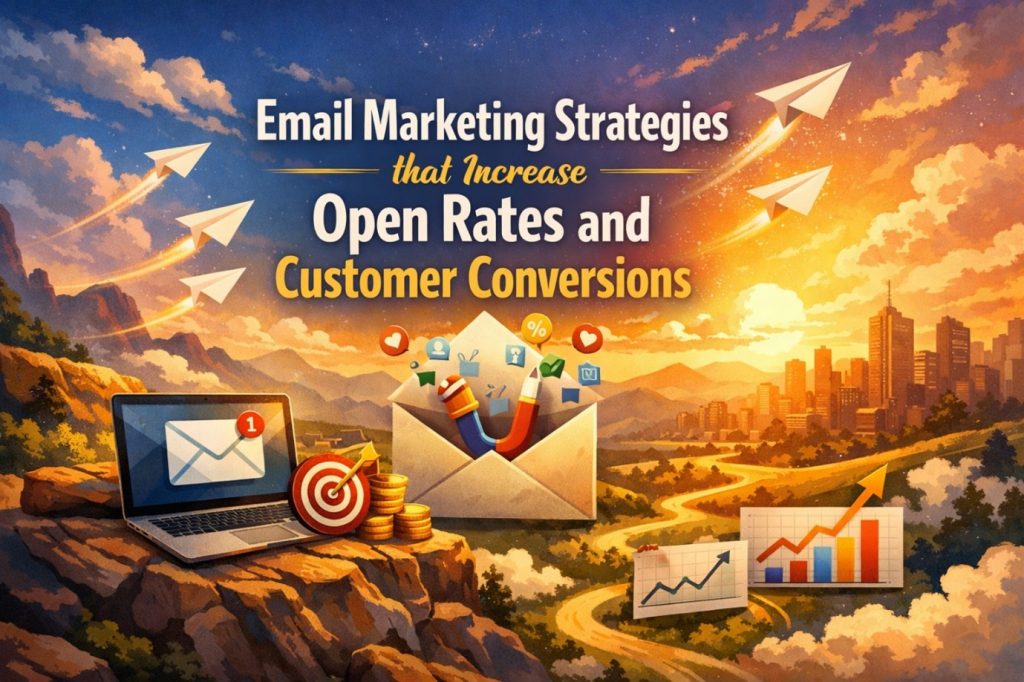
Introduction: The Power of Email Marketing
The use of email marketing continues to be among the most successful digital tactics when it comes to connecting with customers and ensuring their loyalty. The advancement of this tactic has been further aided by Rich Communication Services that has taken email and SMS communication a step further by providing interactive contents, rich media, and personal messages. RCS offers a number of possibilities that standard emails and text messages lack such as carousels, video previews, and buttons.
Email marketing is highly effective when it comes to ROI. As per the industry statistics, every dollar invested in the Email marketing results in a profit of $42, highlighting its ability to make high profits.
Nevertheless, there are certain barriers for marketers in this sector. Nowadays people receive numerous emails every day, which causes email fatigue and short attention spans. Other factors that affect the effectiveness of email marketing include spam filters, crowded inbox, and irrelevant content, which negatively impact open rates and clicks. All of these factors highlight the necessity to use effective email marketing techniques that would emphasize targeting and timing.
This article discusses various email marketing approaches that will increase open rates and customer conversions.
Crafting Irresistible Subject Lines
The subject line is the entry point of your email. It is important that the subject line makes an excellent first impression, which would make recipients want to open your email. In an environment where you need to make the most of your chances at capturing the recipient’s interest, creating effective subject lines would go a long way towards increasing the number of opens you get from each batch of emails.
To create good subject lines, you need to use action words. These will make readers feel a sense of urgency to take action immediately, and help them click into the email. Other good tactics include creating a sense of curiosity about what’s inside the email. Personalizing the subject line by including the recipient’s name, place, or previous purchases also helps in this regard.
Marketers need to watch out for spam flags. Common spam triggers include the words “Free,” “Act Now,” or even an overuse of punctuation marks, which may cause emails to land directly in the recipient’s spam folder.
Lastly, it is essential to conduct A/B tests. Using various iterations on the subject line will help determine what works best with their target audience, and the marketer can continue to optimize their subject line until they get the best results possible.
Personalization and Segmentation for Targeted Campaigns
Personalization is the only way through which companies can attract people’s attention in the competitive online world. With the help of personalization and segmentation techniques, email marketers are able to provide more relevant content in their emails, thereby ensuring higher levels of engagement and click-through rates from these campaigns. Moreover, impersonalized messages rarely generate any positive results, whereas personalized messages tend to establish a connection with recipients and show that the company understands its target market.
Segmentation means dividing your email database into smaller segments according to criteria like geography, behaviour, or purchasing history. Geographic segmentation, for example, is about targeting users according to their physical location to provide some region-specific offers. Behaviour segmentation focuses on addressing users depending on their behavioural characteristics (e.g., people who put products into the cart but did not buy).
Personalization does not only involve using names. There are more sophisticated ways to personalize your content by utilizing dynamic blocks for creating personalized visuals, offers, and recommendations based on the recipients’ preferences. Email campaigns triggered according to specific actions, like a welcome series, follow-up messages after purchase, or special offers on birthdays, also contribute to achieving better results.
Thus, personalization paired with precise segmentation allows you to make sure that your campaign is useful and interesting enough for your recipient.
Optimizing Email Content and Design
In addition to creating subject lines and personalizing their emails, successful email campaigns hinge on other aspects including the quality of copywriting and designing the emails. Well-written and thoughtfully designed emails are able to draw the attention of subscribers, engage the reader and prompt them into action. In particular, good emails should have brief paragraphs, highlighted points, and language consistent with that of the recipient.
When it comes to visual presentation, most important thing to remember is that emails are read on mobile devices by most users, hence their responsiveness to all types of mobile screens should be ensured. Adding media-rich content such as pictures or GIFs, and utilizing Rich Communication Services (RCS), will help make the emails visually appealing and increase user interaction. Moreover, Calls-to-action (CTAs) must stand out be clearly visible, eye-catching, and should include action-driven words.
Additionally, content needs to balance promotions with information. Content must be useful and reinforce the brand message. Tone consistency, information flow, and relevance to the subject will certainly assist in developing credibility. Through the integration of quality writing, usability, and interactivity, marketers can design emails capable of capturing people’s attention.
Timing and Frequency: When to Send Emails
The best-written email might fail miserably in terms of effectiveness if sent at the wrong time or at the right time too often. Time and frequency play very important roles and have direct implications for open rates, clicks, and conversions. Knowing about the schedules and time zones of your target audience will help to send an email at the best possible time.
The right frequency should always be chosen carefully, as too many emails from your brand might cause the recipients to unsubscribe from your list. However, you cannot send emails infrequently as you will lose visibility and your contacts will stop interacting with you. Categorizing your customer base in relation to their behaviours and preferences will help you determine the appropriate frequency for sending emails, such as weekly newsletters and monthly promotions.
There are various ways to help in timing and frequency of sending emails using automation and analytics. You can use automation to help trigger emails which will prompt your audience members into reminding them about products they left on the cart and contacting them after purchases.
Conclusion
Email marketing supported by Rich Communication Services (RCS) provides a great way for brands to interact with their customers and encourage conversions. Marketers can use subject lines that attract attention, customize their messages, segment their audiences, create visually appealing designs, and schedule the delivery of messages at optimal times in order to address issues such as email fatigue and spam filters. The implementation of data-driven techniques will ensure that the emails are not just delivered to the right people but also get them to take some action.

More Stories
What Makes a Gojek Clone App Different from Other Multi-Service Apps?
How to Choose the Best SEO Company in USA for Your Business
Uber Clone Web Booking vs Mobile App Booking: Which Is Better?