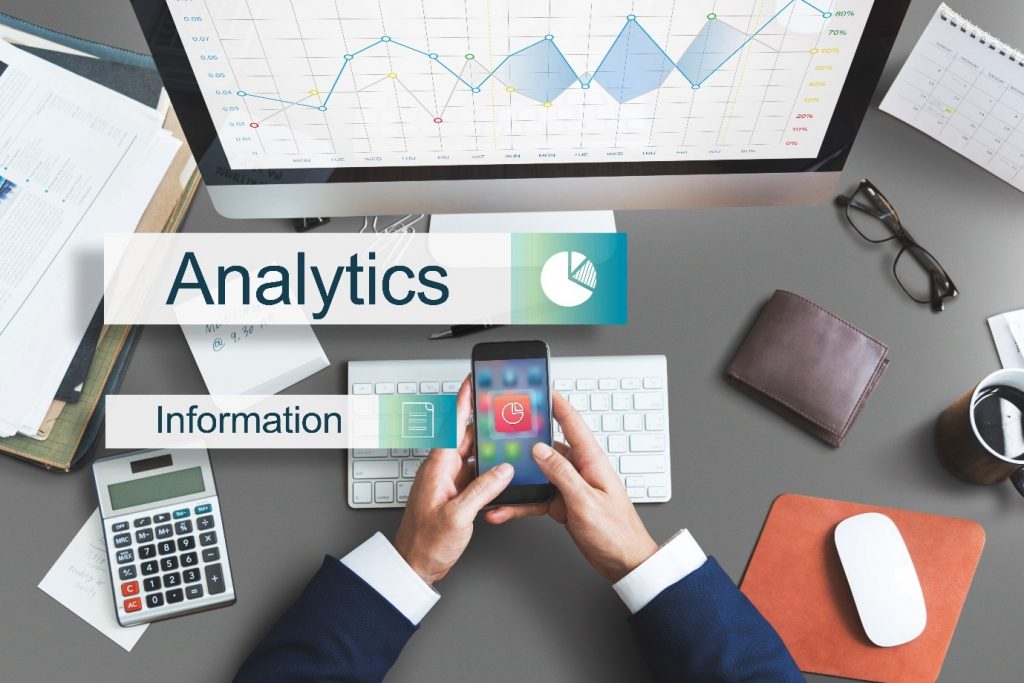
In the modern rapidly changing digital environment, companies need to go beyond merely operating campaigns and begin to pursue continuous improvement. Marketing optimization tools have become a crucial component of any effective strategy due to the emergence of data-driven decision-making. The tools enable marketers to evaluate performance, spot inefficiencies, and make real-time changes that enhance performance. Even the most innovative campaigns may not give any significant returns without optimization.
Additionally, as consumers connect with each other in various media search engines, social media, email and web sites marketers need to have a methodical approach to campaign optimization. Using sophisticated performance marketing tools assists companies in learning about the behavior of customers, improving targeting and providing customer experiences. This does not just enhance involvement, but also makes sure that all the marketing rupees are utilized efficiently.
Understanding Marketing Optimization
Marketing optimization refers to the procedure of enhancing the performance of campaigns by continuously testing, evaluating and refining campaigns. It entails applying data wisdom to improve various aspects of your campaigns, such as targeting, creatives, messaging, and budget allocation.
Its main objective is to have the best ROI with the lowest waste. By using optimization tools to market their businesses, businesses that invest in them have a competitive advantage because they make smarter decisions supported by real-time data as opposed to guesses.
Key Categories of Marketing Optimization Tools
In order to develop a powerful optimization strategy, companies should consider using a mixture of tools that will focus on various areas of marketing performance.
1. Analytics and Data Tracking Tools
Any optimization activity is based on analytics tools. They are useful in monitoring user behavior, traffic, engagement and conversions. Without proper tracking, the success cannot be properly measured. Implementing a reliable Analytics Tools Setup ensures that your data is clean, structured, and actionable, enabling better strategic decisions.
2. A/B Testing and Experimentation Tools
A/B testing enables marketers to test various variations of advertisements, landing pages and email campaigns. The constant improvement of strategies can be made by businesses as they strive to determine what appeals to the audience the most. It is also among the best campaign optimization strategies that can be used to enhance conversion rates.
3. Customer Relationship Management (CRM) Tools
CRM systems assist in the management of customer relationship as well as following up leads across the sales channel. CRMs are useful in the context of other performance marketing tools in the sense that they can give insightful information about customer behavior and customer lifetime value.
4. Marketing Automation Platforms
Automation software makes easy routine activities like email marketing, lead nurturing and customer segmentation. These will enhance efficiency and consistency in communication which means that the marketers can work on strategy and creativity.
5. SEO and Content Optimization Tools
Search engine optimization tools can be used to determine high performing keywords, competition analysis and enhance visibility of the websites. Through content optimization, businesses will be able to get quality organic traffic and minimize reliance on the paid channel.
6. Ad Management and Optimization Platforms
Advertising platforms have features such as more sophisticated targeting and reporting performance in real time. These applications enable marketers to optimize bid adjustments, target audience, and optimize ad creatives to achieve better outcomes.
Proven Techniques for Optimizing Marketing Performance
Tools are what give you the data and capabilities, but the techniques are what shape the effectiveness of your usage. The following are some of the effective tips that can help you to improve your marketing:
Data-Driven Decision Making
In everything, use data and not intuition. Continuously evaluate campaign performance and make decisions based on the insights. This will reduce risks and enhance results.
Audience Segmentation and Personalization
By splitting your audience according to demographics, behavior and interests, you will be able to create highly targeted campaigns. One-on-one communication has a greater likelihood of engagement and conversion.
Continuous Testing and Iteration
Optimization is not a one-time process. Headline, visual, CTA, and landing page testing should be conducted regularly to make sure that your campaigns are effective and relevant.
Conversion Rate Optimization (CRO)
Enhancing the usability of the websites, minimizing friction in conversion process and improving user experience can greatly improve conversions without requiring to increase traffic.
Budget Allocation and Channel Optimization
Evaluate the best channels and campaigns and spend your budget on them. This makes sure that there is maximum ROI and that it does not spend on nothing unnecessary.
The Role of Integration in Optimization
Integration is one of the least looked at areas of marketing performance. When your analytics, CRM and advertising tools are combined, you have a single perspective of your marketing activities. This aids in proper attribution, improved tracking and making of more informed decisions.
A well-implemented Analytics Tools Setup plays a critical role in ensuring that all your data sources are connected and functioning efficiently. This integration allows businesses to identify patterns, predict trends, and optimize campaigns more effectively.
Common Challenges in Marketing Optimization
Although businesses have access to the high-tech marketing optimization tools, they often encounter problems like:
- False or missing data tracking.
- Absence of effective KPIs and objectives.
- Lack of integration among tools.
- Poor knowledge of analytics.
- Opposition to ongoing testing and change.
These difficulties need to be overcome through a strategic plan, implementation and constant monitoring.
Conclusion:
In an online competitive market, it is necessary to maximize the performance of marketing in order to have sustainable growth. Using the appropriate marketing optimization tools and the time-tested campaign optimization strategies, companies will be able to increase their efficiency, increase customer engagement, and optimize ROI. Starting with analytics and automation, moving to testing and personalization, all these elements can help to achieve a better performance. Fine Digital Marketing Agency is about assisting companies in realizing their potentials using data-driven approaches and the latest performance marketing solutions. Using the appropriate combination of tools, techniques and skills, not only can the brands enhance the existing campaigns, but also establish a solid base in the digital world to achieve future success there.




More Stories
What Makes a Gojek Clone App Different from Other Multi-Service Apps?
How to Choose the Best SEO Company in USA for Your Business
Uber Clone Web Booking vs Mobile App Booking: Which Is Better?