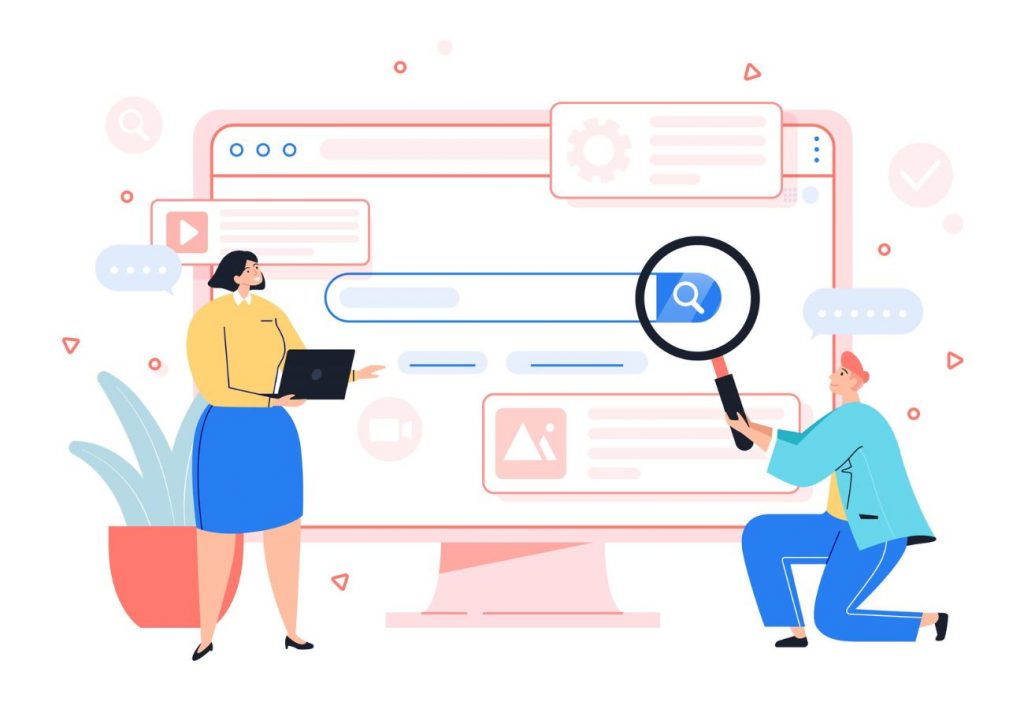
Search is evolving faster than ever. While Google still dominates the search engine, AI-powered search engines like ChatGPT Search, Perplexity and Gemini are answer-based tools that are changing how people find information online.
Now, developers and SEO experts are stuck with one question in 2026:
What do AI search engines mean for SEO, and will they replace Google?
Let us understand in this guide.
What are AI Search Engines?
“I am finding this topic difficult to grasp. Let me ask AI.” Does it sound like you?
An AI search engine is a tool that uses artificial intelligence, specifically natural language processing (NLP) and large language models (LLMs), to understand the context, intent, and semantics of search queries. Instead of returning a list of links based on keywords, these engines provide direct, conversational answers synthesised from multiple sources with citations.
Why has this become popular?
If we have to give a one-line answer, then it makes the topic easy to understand by answering it like a person. It gives an answer that sounds like a conversation, and you can ask for an answer in any way of communication, either formal or informal.
Google Search vs. AI Search Engines
Understand how these work and what can work better for your website.
Google search:
- Crawls websites
- Indexes pages
- Ranks results based on relevance, authority and user experience
We know that Google provides a list of links, and we choose the website to find the solution or answer to the query.
How AI Search Engines Work?
Unlike Google Search, AI search engines:
- Summarise information
- Give direct answers
- Read multiple sources
You do not have to browse through multiple links or websites because AI overviews or search engines provide you with direct answers.
SEO Impact in 2026
- Traffic is Not About Clicks Anymore
Nowadays, users are getting their answer without scrolling through numerous websites or clicking on any particular one. For SEO, this means:
- Visibility matters as much as traffic
- Being cited or referenced by AI has become valuable
- Brand recall is becoming a ranking benefit
SEO is not limited to clocks now, but it is presence-focused now. It is a journey from click-focused to presence-focused for SEO.
- No Keyword-First Approach
Now, your content must be answer-first. AI search engines prefer content that:
- Clearly answers questions
- It is structured and easy to read
- Sounds natural and human
- Keyword stuffing is no longer relevant
Focus on using relevant keywords, but do not stuff content with keywords.
Clear headings, short explanations, FAQs and direct answers are winning the game in 2026.
- EEAT as an Essential Factor for AI Visibility
Trust is a must in AI engines. They are looking for:
- Real expertise
- Author credibility
- Brand authority
- Accurate and up-to-date content
Websites with no identity and copied content wil struggle to appear in AI results.
- Top Authority Beats Single-Page SEO
AI engines do not trust websites that talk about everything; instead, they prefer sites that
- Focus on specific topics
- Publish consistent and in-depth content
- Show long-term expertise
- Makes topical authority
Are you interested in knowing if traditional SEO still works?
Traditional SEO Importance in 2026
Traditional SEO remains essential in 2026 as the foundation for visibility, but it has evolved from keyword-stuffing into a holistic, AI-integrated strategy focused on authority, user experience, and trust. Ey aspects of traditional SEO in 2026:
- Basic, high-quality technical SEO, on-page optimisation, and site structure are still necessary to ensure search engines can index and understand content.
- Rather than targeting exact phrases, SEO in 2026 prioritises understanding user intent, answering queries directly, and building topical authority to satisfy both human users and AI systems.
- Content must demonstrate Experience, Expertise, Authoritativeness, and Trustworthiness (EEAT). AI systems rely on this to trust and cite content.
- While backlinks matter, they are now ranked alongside brand mentions, entity reputation, and engagement signals as part of a broader trust-building effort.
- Traditional, site-only SEO has evolved into optimising for visibility across diverse channels, including AI assistants, TikTok, YouTube, Reddit, and Amazon.
Your business should adapt in 2026 by focusing on:
- Human-written, experience-based content
- Clear answers and structured pages
- Performance and user experience
- Content that educates and not just sells
So, a human-first approach is the priority here.
Final Thoughts
AI is not killing SEO, but they are refining it. Google still matters; AI search engines matter too. Trust, clarity and usefulness matter most in the AI world. SEO is no longer about algorithms but about earning visibility by providing valuable content. Focus on high-quality, unique and human-first content to rank higher and get into AI-overviews. Look for the best SEO Services for your business.


More Stories
What Makes a Gojek Clone App Different from Other Multi-Service Apps?
How to Choose the Best SEO Company in USA for Your Business
Uber Clone Web Booking vs Mobile App Booking: Which Is Better?