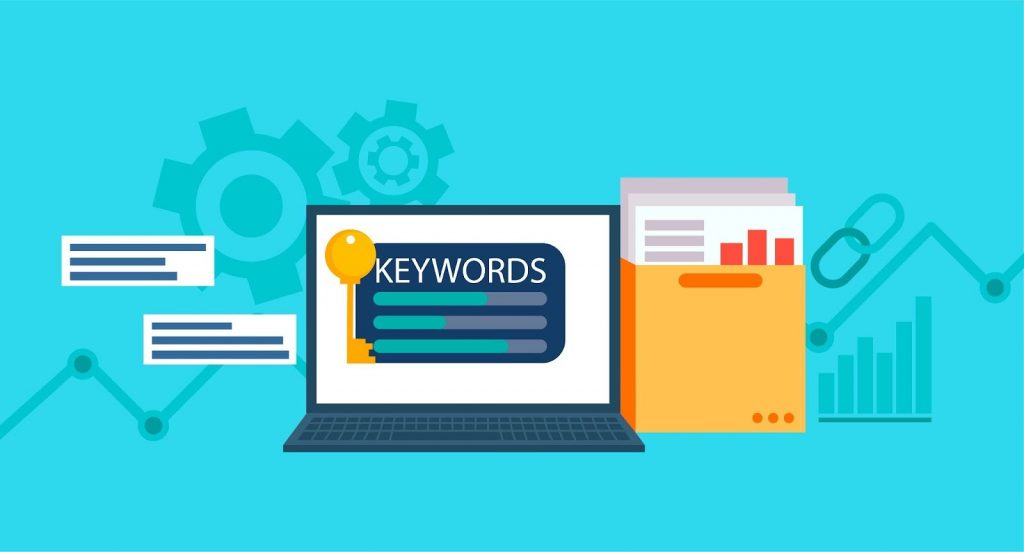
If you spend enough time around high-ranking blogs, you start noticing something. The best ones do not feel optimized. They feel easy.
That ease is not accidental. It comes from strong on-page SEO, applied quietly and consistently across every page.
This is not about hacks or trends. It is about building pages that search engines can understand without guessing, and readers can move through without effort. That is what separates average content from pages that hold rankings for years.
This article breaks down a practical on-page SEO checklist, written in plain language, without turning it into a rigid rulebook.
What On-Page SEO Actually Is
At its core, on-page SEO is the work you do inside a page to help it perform better in search results.
That includes how the page is written, how it is structured, how ideas are connected, and how clearly the topic is presented. Nothing external. No backlinks. No outreach. No promotion.
It is simply about removing ambiguity.
When a page is clear, search engines do not have to work hard to understand it. And when readers are not confused, they tend to stay.
Why On-Page SEO Matters Even More on Strong Sites
There is a common assumption that authority fixes everything. It does not.
High-authority sites lose rankings all the time, usually for very ordinary reasons. Pages drift off topic. Content gets bloated. Structure breaks over time.
Strong on-page SEO keeps individual pages sharp. It makes sure each URL earns its place, instead of relying on domain strength alone. Over time, that discipline compounds.
How Search Engines Look at a Page
Search engines do not read with patience.
They scan the structure first. Then they look for relevance. Then they evaluate how well the content supports the topic. Engagement signals come later.
A proper on-page SEO checklist exists to line these signals up so nothing feels out of place. When structure, intent, and content match, ranking becomes easier.
Getting the Page Foundation Right
Start With One Clear Purpose
Every strong page has one job.
Trying to rank a single page for multiple unrelated ideas usually weakens all of them. High-authority blogs avoid that mistake early. They decide what the page is about, and they stay there.
This focus is the starting point of real SEO content optimization.
URLs Should Feel Obvious
A good URL does not need explanation.
When someone sees it, they should already have a reasonable idea of what the page contains. Short, readable URLs make crawling easier and quietly support on-page SEO without drawing attention.
Headings Should Guide, Not Decorate
Headings are not there to look nice. They are there to organize thought.
One clear H1 sets the topic. H2s break the page into major ideas. H3s add support where things need clarification.
When headings are used properly, the page almost outlines itself. That structure matters more than most people realize when following an on-page SEO checklist.
The Introduction Needs to Do Its Job
The opening of a blog is not the place to warm up.
Readers and search engines both want confirmation. What is this page about? Is it relevant? Is it worth reading?
Clear introductions improve engagement, which quietly reinforces SEO content optimization over time.
Content Should Feel Earned, Not Stretched
Length alone does not create authority.
High-authority blogs explain things fully, but they do not repeat themselves to hit a word count. Concepts are broken down simply. Language stays natural. Explanations feel complete, not padded.
This is where most SEO content optimization either works or fails.
Keywords Belong Where They Belong
Keywords are tools, not anchors.
They should appear where they make sense and disappear where they do not. Forced placement disrupts flow and breaks trust with readers.
Modern on-page SEO benefits far more from clarity than from repetition.
Why Meta Tags Still Matter
Meta tags shape first impressions.
The meta title tells search engines and users what the page is about. The description explains why it might be worth clicking. Neither needs clever wording. They need honesty and clarity.
Good meta tags do not guarantee rankings, but weak ones definitely hold pages back.
Using Internal Linking Without Overdoing It
Internal linking is how pages talk to each other.
Used well, it helps search engines understand topic relationships and helps readers explore naturally. Used poorly, it feels forced and distracting.
High-authority blogs treat internal linking like navigation, not decoration.
Readability Is a Ranking Signal in Disguise
If a page feels heavy, people leave.
Short paragraphs, simple sentences, and natural transitions reduce friction. When readers stay longer, engage more, and scroll deeper, search engines notice.
This is one of the most underrated parts of on-page SEO.
What This On-Page SEO Checklist Covers
This approach focuses on page-level clarity, structure, intent alignment, meta tags, and internal linking. Everything discussed lives inside the page itself.
What It Does Not Cover
It does not deal with backlinks, outreach, paid promotion, social distribution, or technical server issues. Those belong elsewhere, outside on-page SEO.
Where Most Blogs Go Wrong
Pages drift off topic. Headings lose structure. Content gets rewritten without a clear goal. Keywords are added without thinking about flow.
None of these are dramatic mistakes. But together, they quietly weaken performance.
Who This Is Really For
This guide is for writers, editors, SEO leads, and site owners who care about long-term performance.
If you want content that holds rankings instead of chasing them, this on-page SEO checklist gives you the right foundation.
Closing Thoughts
High-authority blogs do not shout about optimization.
They focus on clarity, structure, and usefulness. Strong on-page SEO supports that work in the background, doing its job without being noticed.
When pages are clear, rankings usually follow.
Author Bio:
I am Joe Christian, Co-Founder and VP at C2C Media. I help brands translate their vision into effective marketing strategies, focusing on digital growth, content optimization, and data-driven campaigns. My mission is to create strategies that deliver real impact and lasting results.

More Stories
SEO vs Paid Ads: Key Differences Every Business Should Know
The SEO Mistakes Nearly Every Brand Makes and How to Fix Them
Off-Page SEO in 2026: 14 Proven Techniques to Boost Your Search Rankings