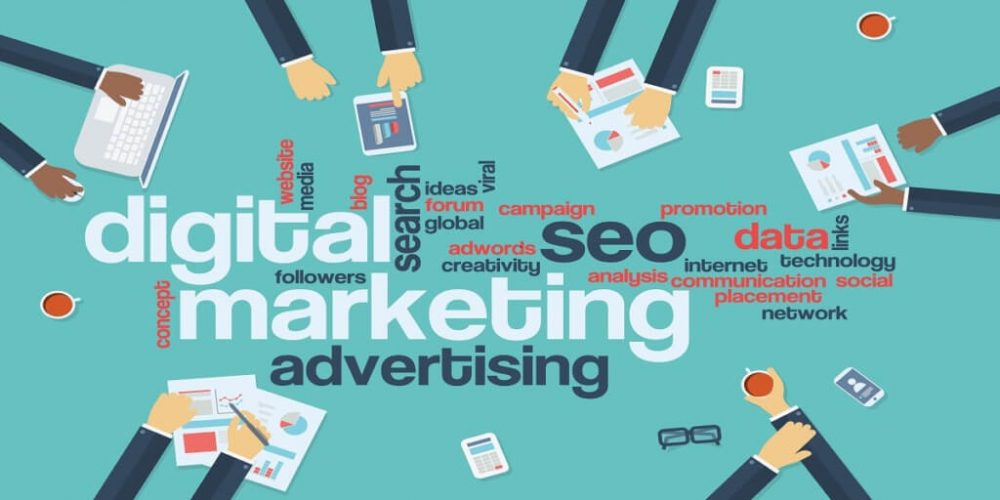
Running an e-commerce business today is more than just offering products. Today, an e-commerce business needs to build an ecosystem that attracts, engages, and converts their audience. With so many online stores competing for the same market, simple promotions and marketing campaigns aren’t sufficient anymore.
For the purpose of ensuring sustainable growth for the online business, there is a need for a scalable ecommerce online marketing plan.
Now let’s apply this knowledge to learn how an e-commerce business can develop a future-proof digital marketing strategy.
Scalability in E-Commerce Marketing: What Does It Mean
Online shopping sites begin successfully, yet they fail to expand further. This typically occurs because there is either a lack of scalable marketing plans or a focus only on reactive strategies.
In fact, in this approach, you can:
- Increase Conversion Rates Over Time
- Keep customers and boost lifetime value
- Adapt to market trends quickly
Rather, scalable digital marketing aims for the compound effect, rather than short-term victories.
1. Strengthen Your Content Foundation
Content is the spine of any scalable and efficient online marketing plan. Blogging, products, and other content types not only drive traffic, they teach buyers.
High-performing e-commerce content should:
- Provide answers to buyer questions at various stages of the funnel
- Incorporating long-tail and buyer intent keywords
- Facilitate SEO, Social Media, and Email Marketing
Educational content also helps in establishing your brand as an authority. Consequently, it becomes easy for you to convert visitors into customers.
2. Video and Visual Commerce
Rather, modern consumers no longer want to see walls of text but want to see products in action. The role of product demos, explainer videos, and customer testimonials in helping consumers make decisions quickly cannot be overstated.
Visual media enhances:
- Time on site
- Conversion rates
- Interaction in social networks
The addition of captions and accessibility functionalities makes videos an asset in terms of long-term discovery and accessibility as well.
3. Leveraging Data & Automation to Scale Smartly
Manual processes in marketing mean limitations in scaling. With automation and data analysis, e-commerce sites can scale without compromising the user experience.
Smart usage of automation technologies involves:
- Personalized recommendations for products
- Behavior-based email flows
- AI-based chat support
- Predictive Inventory Insights
Data underscores areas of effectiveness, areas of financial waste, and areas of possible optimization ROI.
4. Customers as Advocates of the Brands
Scalable ways to grow include the use of social proof. Online reviews, testimonials, or user-generated content can help overcome the hurdle of purchase decisions.
Encourage customers to:
- Share Reviews After Purchase
- Posting Product Photos on Social Media
- Enroll on Branded Hashtag Campaigns
This content not only fosters trust but also triggers organic marketing without proportionally boosting ad spending.
5. Optimize the Buying Experience Continuously
Traffic alone won’t scale revenue – it’s conversion optimization.
Online stores should be tested for:
- Website layout and functionality
- Mobile usability
- The Product page design
- Checking out ease
A modest increase in usability will result in substantial profits, since increased traffic will generate higher revenues.
6. Minimize Friction at the Time of Checkout
While your business grows, sometimes lost profit can be leaking through cart abandonment. Fix these issues early to protect your business.
Effective tactics are:
- Easier check-out procedures
- Clear shipping costs
- Retargeting and Recovery Emails
- Time-sensitive incentives
- It helps prevent the loss of efforts put into marketing.
Linking Strategy and Execution
A scalability strategy is not about reinventing the wheel. Instead, it is the implementation and optimization of best practices.
For e-commerce businesses that want a positive impact on visibility, interaction, and conversions, using bolddigital marketing tips to enhance your e-commerce online presence can act as a starting ground for effective growth.
Last Notes
E-commerce success is not an issue of doing more marketing, but of doing marketing the right way on a scalable premise. Through leveraging content, automation, trust, and experience, e-commerce businesses can scale their success without draining their wallets or their focus. Patience, testing, and optimizing are critical. You can begin with a good strategy, optimize it over time, and watch the compounding work its magic.

More Stories
SEO vs Paid Ads: Key Differences Every Business Should Know
The SEO Mistakes Nearly Every Brand Makes and How to Fix Them
Off-Page SEO in 2026: 14 Proven Techniques to Boost Your Search Rankings