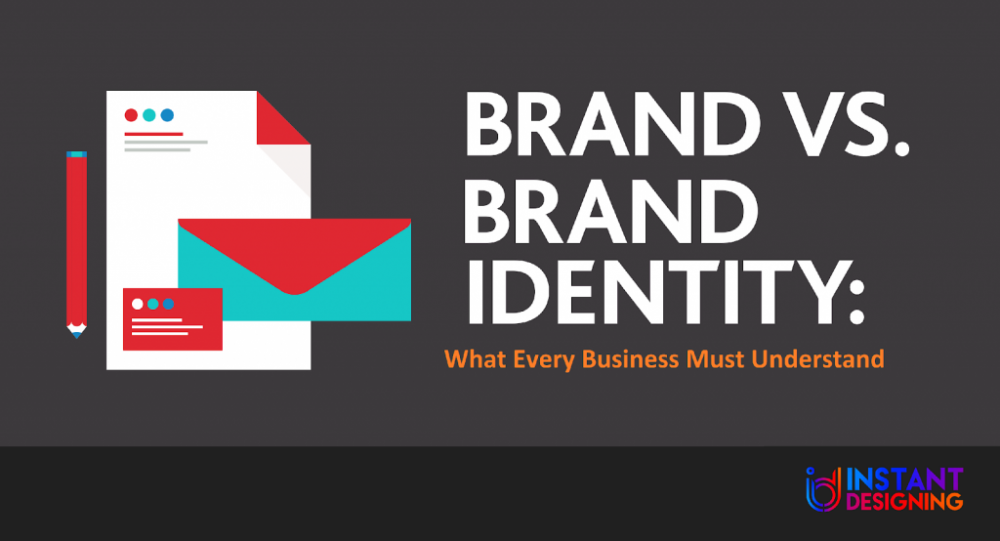
In marketing meetings and boardrooms everywhere, you hear the terms “brand identity” and “branding” thrown around as if they are synonyms. They aren’t. While they are two sides of the same coin, confusing them can lead to a disjointed strategy that confuses your customers.
Whether you are starting a startup or trying to expand a documented company, you need to know where one ends and the other begins. This guide disruption down the difference, why you need both, and how they work to build a profitable business that really sticks in people’s minds.
The Noun: What is Brand Identity?
Think of Brand Identity as the “kit” of tangible elements that make up your company’s face. It is the collection of sensory tools you use to portray yourself. It is internal, strategic, and largely static until you decide to change it.
These Are The Tools In Your Kit:
- The Visual Anchor (Logo): This is the symbol that triggers recognition. It’s the face of the name.
- The Palette (Color Scheme): Colors are psychological shortcuts. A specific shade of blue can signal trust, while a bright yellow signals energy. Your identity defines these exact codes.
- The Type (Typography): The fonts you choose carry a vibe. Are you a serious Times New Roman law firm or a playful Sans-Serif tech startup?
- The Voice: If your brand could talk, what would it sound like? Witty? Academic? Empathetic?
- The Hook (Tagline): The few words that sum up your promise.
In short, brand uniqueness is the foundation. It is the visual and verbal language you create before you ever say a word to a client.
The Verb: What is Branding?
If identity is the noun, Branding is the verb. It is the active process of taking that identity and getting it into the world. It is every action you take to shape how the market perceives you. Branding is the relationship-building phase.
Branding Happens Through:
- Strategy: The roadmap of how you plan to win your specific slice of the market.
- Campaigns: The actual marketing push social media, ads, emails that puts your identity in front of eyeballs.
- Experience: This is critical. Marking isn’t just a logo; it’s how your client service team answers the phone, how easy your website is to navigate, and how your wrapping feels in their hands.
- Reputation: The cumulative effect of your public relations and partnerships.
Branding is the legwork. It is the ongoing effort to ensure the public perception of your company matches the identity you built internally.
The Core Differences at a Glance
To Make It Simple, Here Is How They Diverge:
- Creation vs. Organization: Individuality is what you design (the logo, the guidelines). Branding is how you manage those possessions over time to build value.
- Tangible vs. Imperceptible: Identity consists of files you can see JPEGs, font files, hex codes. Marking consists of feelings of trust, loyalty, and standing.
- The Focus: Identity looks inward at the company. Branding looks outward at the customer.
Why You Can’t Have One Without the Other
Identity without branding is just a pretty logo that nobody sees. Branding without identity is a chaotic mess that confuses people.
You need individuality to ensure consistency. Without a defined identity, your Instagram posts won’t match your website, and your emails will sound dissimilar from your ads. This lack of constancy kills trust.
You need branding to build depth. A logo can catch an eye, but only branding can hold a heart. Branding reinforces the emotional connection, turning a one-time buyer into a loyal advocate.
Leveraging Custom Branding Design Services
This is where many businesses get stuck. They try to slap a logo together and start running ads, skipping the foundational work. This is why investing in custom branding design services is often the turning point for a business.
A professional service doesn’t just draw a logo; they help you architect the entire visual and emotional system. They ensure that your color palette speaks to your specific audience and that your typography scales across devices. They take the abstract idea of “who you are” and turn it into a concrete toolkit that you can use to dominate your market.
Conclusion
In the world of business, brand individuality and branding are two sides of the same coin. Brand identity offers the visual and animated basis for your commercial, while marking is the process of communicating that independence with the world. Both are vital for creating a memorable brand that reverberates with clients and attitudes out in the market.
To make sure your profitable is set up for achievement, consider exploiting on expert branding services. With the right tools and plans, you can create a brand that not only looks countless but also shapes strong, lasting relatives with your clients. Whether you’re just preliminary out or looking to rebrand, make sure your business has a solid identity and an undoubted marking strategy that bring into line with your goals.



More Stories
Why Digital Marketing Agencies Need SOC 2 Compliance to Launch and Scale in the US Market
Using SMS in Salesforce to Reduce No-Shows and Missed Appointments
Instagram PR Full Form: A Complete Guide for Social Media Users