Introduction
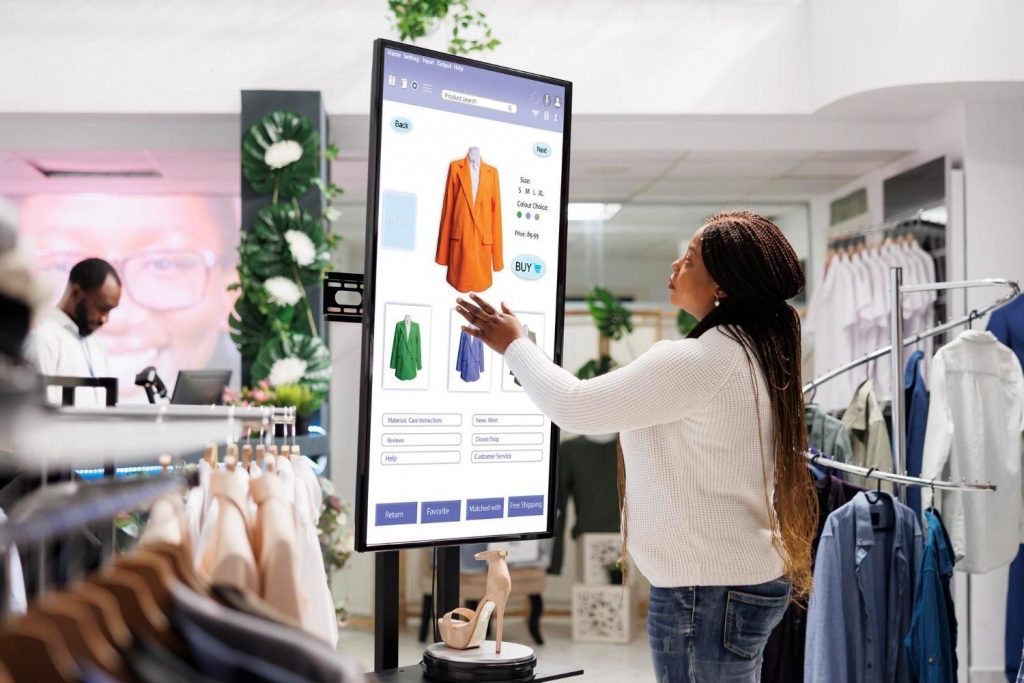
Digital signage marketing is among the best ways through which companies can engage customers, affect their purchasing behaviour, and realise returns within a short time. Digital signage UK enables businesses to deliver dynamic, visually appealing messages that can be instantly updatedfor diverse audiences. Nevertheless, digital displays may not necessarily be successful when installed. Digital signage is the right way for businesses to ensure quick ROI. Their priorities should be content relevance, execution, and improvement. This article will provide 5 tips to maximise the use of digital signage marketing and accelerate ROI.
Tip 1: Focus on Highly Relevant and Timely Content
The digital signage marketing lies in its relevance. Generic screens can appear good, yet they rarely influence behaviour. To result in a fast ROI, the content needs to add direct value to the viewer. This involves being aware of your audience, their location and what they are thinking. Content that is related to real life makes it more interesting.
Punctuality enhances productivity. Digital signage helps businesses adapt their message to traffic levels, busy periods, and fluctuating priorities. The morning and midnight ads can differ even when displayed on the same screen. This flexibility allows content to be tailored to clients so as to enhance engagement without necessarily raising expenses. When you post real-time messages, people trust you and turn around more quickly when they see messages that are relevant to them.
Tip 2: Keep Messaging Clear, Visual, and Easy to Understand
Digital signages work well in crowded environments where individuals do not have much time to concentrate. Individuals are either walking, waiting or multitasking and hence the communication must be apparent at first sight. The best way of losing ROI is to add too much text or competing visuals to displays. The advantage of digital signage marketing is simplicity.
Powerful graphics and a clear message convey the main idea in just a few seconds. One clearly defined message with highly graphic information and fewer words is better than a multiple-message. Benefits of visual consistency: Visual consistency aids in the recall and recognition of objects. Brand awareness and trust are built through repeated exposure to clean, well-designed signage. Clarity takes less time to act on after awareness, enabling organisations to realise results more quickly.
Tip 3: Use Real-Time Updates to Drive Immediate Action
The fact that digital signage can be changed immediately is one of the greatest. You are able to react to opportunities immediately as changes in information can be done in seconds as opposed to printed materials. Firms that leverage on this feature successfully could accelerate their ROI significantly. Brands can create a sense of urgency, demonstrate that something is scarce, or respond to a demand change as it emerges in real time.
When customers believe an offer is timely or exclusive, they are more willing to act immediately. This impact can be further enhanced by using digital signs that can alter the messages during daytime hours. Promotions can be initiated, terminated, or modified due to effectiveness or other external factors beyond the business. This level of control ensures that displays are never stagnant with passive content, but always progress to fast outcomes. The final outcome is faster involvement and enhanced short-term gratification.
Tip 4: Align Digital Signage with Sales and Customer Journeys
Digital signage works better when integrated into the customer experience. The screens are not supposed to be segregated with sales or consumer behaviour. They ought to encourage major decisions and buttress them. Placed and timed appropriately, any sign can influence buyers’ choices when they are most open.
You should be aware of how consumers move around in a place and what choices they need to make in order to align with the customer journey. Digital signage can be used to market a product, recommend alternatives or enhance sales at the appropriate time. Customers will be more pleased with communications that enhance the experience rather than disrupt it. With this smooth flow, digital signage can be viewed as a silent sales assistant that boosts conversions without straining.
Tip 5: Measure Performance and Optimise Continuously
In order to reap the immediate fruits of your labour, then you must know what works and be able to change within a short period. In this area, digital signage marketing has a significant advantage because it allows measuring and analysing success over time. Data engagement, content efficacy, and sales correlations can help determine how different messages affect different audiences. Companies that frequently use this information are often ahead of their competitors.
Optimisation should occur, not in some occasions. You can alter the content, graphics and schedule on real results rather than speculations. Doing them on a regular basis, even minor changes can make a great impact. This loop of experimentation and refinement ensures that the returns from digital signage investments will become more useful over time. Companies make intelligent decisions that steadily increase ROI rather than making guesses.
Conclusion
Digital signage marketing is not an effective display tool but an instrument of strategic performance. By understanding and responding to relevant, understandable, and similar customer behaviour, businesses can engage more and increase sales through digital displays. Digital signature has a clear advantage over any other type of marketing as it is able to rapidly change, test and refine content. When information is used to make decisions and communications are continuously perfected, ROI increases quickly and remains high. Ultimately, the secret to success in digital signage marketing is understanding what your audience needs and using technology to deliver it at the right time.


More Stories
The Growing Importance of Backend Optimization in Websites
Mobile Apps Become a Growing Part of Modern Digital Marketing Strategies
How to Choose the Best SEO Company in Singapore for Your Business