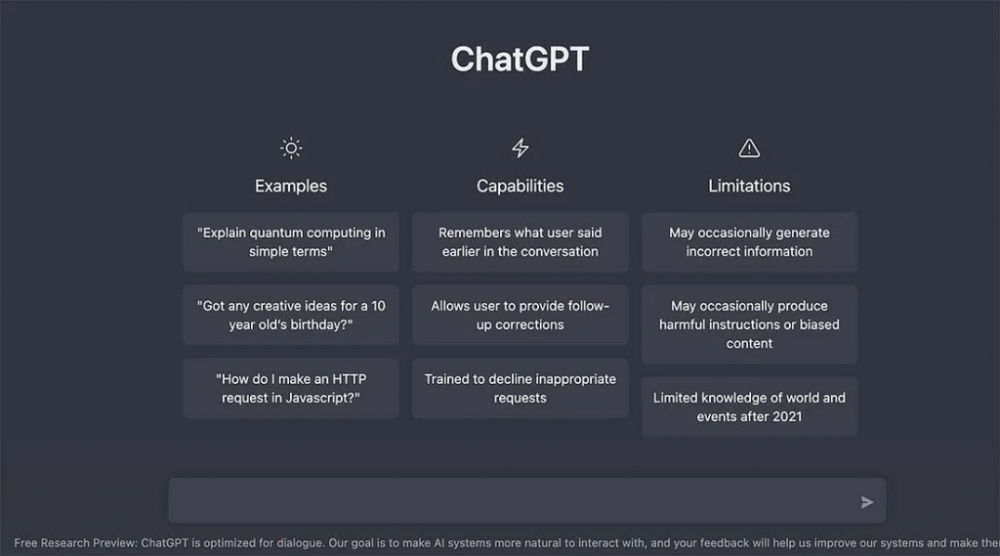
Keyword research once felt like panning for gold with a sieve. You tossed queries into tools, skimmed volumes, guessed intent, then hoped rankings followed. That ritual still exists, yet its rhythm has shifted. ChatGPT has entered the workflow and it alters how search professionals think, test, and act. Not in a flashy way. In a quiet, structural way that reshapes SEO strategy from the inside.
This shift matters to brands that rely on SEO Services for growth. It matters even more to agencies that live inside search data every day.
From static lists to living language
Traditional keyword research favored volume and competition. Numbers ruled. Phrases lived in spreadsheets, frozen until the next quarterly refresh. ChatGPT pulls the process toward language itself. Queries stop acting like isolated tokens and start behaving like speech.
The model recognizes how people ask questions when no keyword tool watches them. It mirrors hesitation, half formed intent, and layered meaning. A search for cloud security pricing rarely stands alone. It drags context with it. Budget anxiety. Vendor fatigue. Compliance fear. ChatGPT surfaces those threads fast.
SEO teams now sketch keyword universes instead of lists. Each term connects to others through syntax and intent, not just shared modifiers. That web shapes content planning with more precision than any single metric.
Search intent stops hiding
Intent classification often felt abstract. Informational. Transactional. Navigational. Those labels helped, yet nuance slipped through cracks. ChatGPT brings intent into plain sight.
Ask it to unpack why someone searches a phrase and it responds with motive, pressure, and desired outcome. The answer reads less like data and more like psychology. That insight changes page design. A guide becomes a comparison. A landing page shifts tone. Copy tightens.
Agencies like SEO Ninja fold this layer into their SEO Services. Strategy sessions include language analysis drawn from model outputs, then tested against live search results. The work feels closer to editorial planning than mechanical optimization.
Long tail research gains momentum
Long tail keywords once demanded patience. You hunted them through reports and filtered noise. ChatGPT accelerates discovery by predicting how questions evolve.
A seed term spawns variations that feel human. Misspellings appear. Regional phrasing slips in. Questions stretch and bend. This process exposes demand that tools miss since volume thresholds filter it out.
Content teams gain freedom here. They write pieces that answer clusters of related queries instead of chasing single phrases. Traffic arrives slower, yet it sticks. Engagement improves. Rankings stabilize.
Competitive analysis shifts tone
Competitor research used to mean reverse engineering rankings. Pages were scanned. Headings counted. Backlinks tallied. ChatGPT changes the angle. It analyzes positioning through narrative.
Feed competitor content into the model and ask what the page tries to signal. Authority. Urgency. Trust. The response cuts through surface structure and highlights gaps in argument or clarity. That insight helps teams respond with stronger framing, not louder keywords.
SEO Services that adopt this approach focus less on imitation and more on differentiation. The result feels editorial, yet it performs in search.
Content briefs grow sharper
Briefs often balloon with requirements. Word counts. Headings. Secondary phrases. Writers follow rules and miss the point. ChatGPT trims the fat.
A prompt can produce a concise brief anchored in intent, audience tension, and semantic coverage. Writers receive direction without micromanagement. The finished content reads natural, not assembled.
SEO Ninja uses this method to align strategists and writers early. Fewer revisions follow. Output quality rises.
Technical SEO meets language models
ChatGPT does not crawl sites or audit code. Still, it supports technical SEO in unexpected ways. Schema planning benefits from clearer intent mapping. Internal linking gains logic based on topical relationships, not guesswork.
The model explains complex site structures in plain language, which helps non technical stakeholders grasp why changes matter. Buy in improves. Projects move faster.
Risks that demand restraint
The model predicts language. It does not read search engine algorithms. Blind trust invites errors. Hallucinated facts slip in. Overuse creates sameness across content.
Smart teams treat ChatGPT as a collaborator, not an oracle. Outputs receive scrutiny. Human judgment stays in charge. SEO Services thrive when expertise leads and automation supports.
The strategist role evolves
SEO strategy once rewarded tool mastery. Now it rewards synthesis. The strategist interprets model output, search data, brand voice, and business goals at once. ChatGPT handles ideation and expansion. Humans decide direction.
This evolution suits agencies built on thinking, not volume. SEO Ninja fits that mold. Their work blends language intelligence with measurable outcomes, using models to sharpen focus rather than replace craft.
Where this leaves SEO
ChatGPT changes keyword research by returning it to language. SEO strategy gains texture. Queries feel alive. Content responds to people, not just algorithms.
Brands investing in SEO Services should expect this shift. Fewer rigid playbooks. More adaptive planning. Better alignment between search behavior and on page experience.
The sieve remains, yet the river looks different now. Those who study its current will keep finding gold.



More Stories
How to Choose the Right SEO Consultant for Your Business in 2026
How to Optimize Amazon PPC Campaigns for Lower ACoS and Higher Sales
Create a Private Wholesale Store in WooCommerce