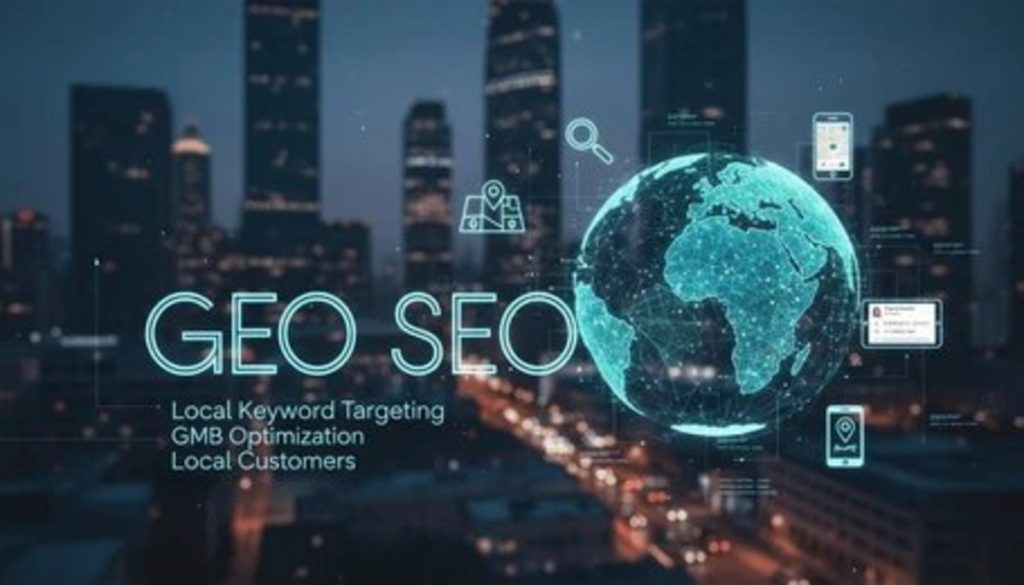
The digital market is ever shifting with search technology making radical changes as to how people access information on the web. Search Engine Optimization (SEO) has been businesses’ main spices to be that visible on search results like Google and Bing advocate since its very inception. However, this stalwart misunderstood with generative content which has brought about a new concept—Generative Engine Optimization (GEO). It is critical to differentiate between these two approaches for continued competitiveness.
Traditional search engine optimization (SEO) thrives on amending websites for the better indexation in Search Engine Result Pages (SERPs). This investment involves specializing in keywords, enhancing the technical aspects, focusing on rich content, and link building so as to entice organic traffic. Recent changes, as brought about by AI search engines such as generative engines, aim to give direct answers instead of providing lists of websites. Companies need to reconsider strategies to make sure their content syndicates in gen-AI systems. The providers of GEO Services Indiaare helping businesses with content that is understandable, referenced, and recommended by generative AI, and it necessitates the presence of brands in their evolving search ecosystem.
What is Traditional SEO?
Search engine optimization (SEO) is the manipulation of merely non-paid means which requires the increasing visibility of any website in the search results of a search engine. The main objective is to improve the ranking of a website for the relevant keywords through which the users are going to visit the website as when they search for goods, services, or information.
SEO generally involves several core elements:
Keyword Optimization
Using correct keywords and placing them strategically in your web content, headers, and metadata.
Technical SEO
Make your website faster, ensure it responds well on mobiles, make sure a search engine eats up and understands your site in a jiffy!
Content Creation
Developing productive, valuable, informative, and engaging content which basically answers user’s queries and fulfills search intent.
Link Building
Everyone has the ability to earn vast success.
SEO has really turned into an essence of importance, the cornerstone, and one of the biggest marketing components to help increase website traffic and leads generation in businesses.
What is Generative Engine Optimization (GEO)?
Generatively Engineered Optimization, or GEO in short, is an innovative way to produce, format, and organize content for AI-based search systems, which are also referred to as generative engines. This kind of engine does not simply offer a list of links like traditional search engines do but provides a synthesized answer based on what artificial intelligence provides.
Generative search results are quite beneficial; these can be found in AI chatbots, conversational search systems, language models supported by search engines, etc. Apart from performing an exhaustive search, the system would pick up on, if not all, at least the primary information, and then they directly answer the query.
GEO is about building your content to be a preferred source for artificial intelligence. That means putting your content in a manner that makes it easy for some AI model to understand, interpret, and reference in solving a problem.
Key components of GEO include:
- Creating authoritative and well-structured content
- Providing clear, factual information
- Using semantic context instead of only keyword density
- Ensuring credibility through citations and expertise
- Structuring data so AI can easily extract insights
As AI search continues to grow, GEO is becoming a crucial digital marketing strategy.
Key Differences Between GEO and SEO
While GEO and SEO share the goal of improving online visibility, their strategies and outcomes differ significantly.
1. Search Results Format
SEO:
Traditional search engines mainly showed a list of search results on their pages. Whenever a search result was clicked upon, the website was displayed on the browser in a new window.
GEO:
Generative engines give summaries of answers based on multiple sources, many times reduce the necessity for the users to click through to the individual websites.
2. Content Optimization Approach
SEO:
Content is optimized primarily for keywords, search intent, and ranking signals.
GEO:
Content has been crafted with the goal of increasing clarity, factuality, and context-optimization to ensure that the AI model is outrightly able to understand it and refer to its substance correctly.
3. User Interaction
SEO:
Users interact with search engines through keyword-based queries.
GEO:
Users with the details of their conversations starting natural language UIs ask detailed questions to receive AI-powered responses.
4. Ranking vs Referencing
SEO:
The goal is to rank higher in search results.
GEO:
The goal is to be referenced or cited by AI systems within generated responses.
5. Content Structure
SEO:
Content often focuses on keyword placement, headings, and backlinks.
GEO:
You need to have a clear structure which includes proper paragraphing and headers that will quickly identify the content.
Why GEO is Becoming Important
User behavior is shifting, as AI-powered search tools are being integrated at an impressive pace. With users relying less on the traditional way of browsing through multiple websites, AI systems deliver comprehensive yet quick answers.
This shift gives rise to both challenges and opportunities for businesses.
It becomes imperative not to appear in generative responses if the content is not optimized for AI interpretation. However, businesses that adopt GEO strategies earliest can use promotions to become sources of credibility to the AI engines.
Some reasons GEO is gaining importance include:
- Growing popularity of AI assistants
- Rise of conversational search interfaces
- Faster information consumption by users
- Increasing use of AI-generated summaries in search results
As search technology evolves, GEO will play a critical role alongside traditional SEO strategies.
How Businesses Can Combine GEO and SEO
GEO is able to complement as opposed to replace SEO. As the two interact, a business that integrates the two will achieve the greatest returns.
Here are a few suggestions on how GEO integration into existing SEO be streamlined:
Create High-Quality and Authoritative Content
The idea behind this process is to guarantee being seen and indexed.
Keep Content Structure Clear
It helps a lot when content is organised under subheadings and bullet-point statements with fugal, clear-cut narrative.
Concentrate on Semantic Context
This is about keep coming up with new thematic assignments every time and stop running back to the word, keyword.
Enhance Credibility of Content
The elevation in content credibility is never complete without placing relevant statistics and expert authority at the top of content.
Optimize for User Questions
AI services more than ever furnish users with response to questions, visitors are more likely to ask questions that contains long-tail keywords. Question-and-answer pages, for instance, are likely built on tightly conversational pieces of content with apposite long form question-and-answer pairings.
The Future of Search Optimization
The future of search might see a hybrid model, where traditional search returns coexist with AI-generated answers and answers in the search domain. For those companies unable to progress beyond traditional SEO, the emergence of generative search is likely to make it more difficult for even a glimpse of visibility.
Potentially a 180-degree change, this change will cause things to become much more vigorous from the marketing side. It is a major responsibility for organizations to enhance content services by enabling the content to be both SEO-centric and AI-tuneable.
If you are interested in delving into a deeper investigation and evaluating appropriate new tactics, read about GEO VS. SEO to see which skills zest for other focuses are giving digital marketing a final rev.
Conclusion
Artificial intelligence is changing the face of how information is being sought for online. Traditional SEO remains pivotal in pulling in organic traffic, but Generative Engine Optimization will now prove to be much more influential in the setting of artificial intelligence-driven searches.
Understanding the disparities between GEO and SEO helps businesses prepare themselves for the future of digital discovery. SEO centers on getting websites to rank in search engine results, whereas GEO is about getting content to receive credit from generative AI platforms.
Those companies that embrace the two strategies from the get-go shall have a strong online presence; enhanced credibility; and greater visibility in a metamorphosing search landscape. Over time, the hollow linear path to digital success will conglomerate. It will combine traditional SEO emphasis with advanced GEO practices as search technologies continue to evolve.


More Stories
What Makes a Gojek Clone App Different from Other Multi-Service Apps?
How to Choose the Best SEO Company in USA for Your Business
Uber Clone Web Booking vs Mobile App Booking: Which Is Better?