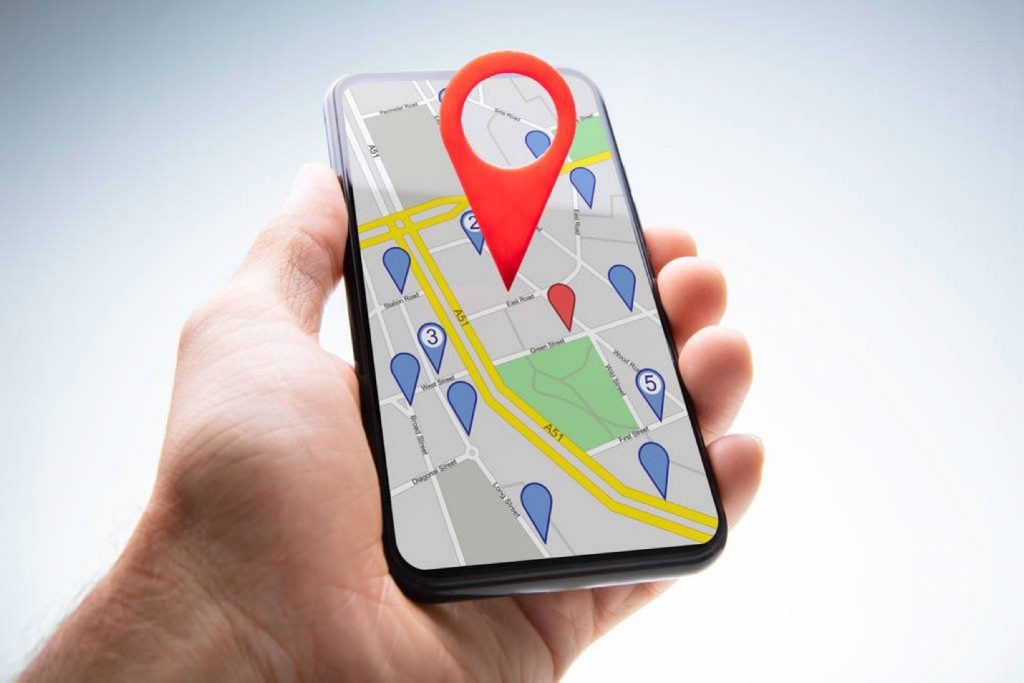
Ask your phone where to get a puncture fixed nearby and you get one answer. Not a page of links but just top names, set of hours & route.
That is the whole story of what voice has done to search. People ask in plain speech, and a model answers in plain speech. Your site either shapes that answer or it does not exist inside it. Ranking third for a keyword stops paying when nobody hears your name.
Voice and AI Search Stopped Being Separate Problems
Voice used to get treated as a side project. Teams wrote pages for typed keywords, added a few question-shaped headings, and moved on. That split no longer holds.
On March 26, 2026, Google expanded Search Live to more than 200 countries. People now talk directly to Search, point a camera at a product, and ask about it out loud. A model picks its sources, summarizes them, and reads the result back. Same index, same organic results, very different delivery.
So the question your pages need to survive has changed. It is no longer “do we rank for this phrase.” It is “would a model quote us if someone asked this out loud?”
What Changes When People Speak Instead of Type
Four things shift at once, and only one of them is about your website. The other three sit in your listings, your reviews, and what other sites say about you.
Work through them in that order. The cheapest wins are usually outside your CMS.
The Local Answer Gets Settled Before Anyone Visits Your Site
Local intent still drives most spoken questions, and those questions rarely end in a list. The assistant names one or two places, reads out the hours, and offers directions. Your Google Business Profile, your review count, and matching name, address, and phone details across listings carry more weight here than your homepage copy.
The failure mode is quiet. A stale closing time or a duplicate listing does not throw an error. It produces a customer who went somewhere else, and you never hear about it.
Regional language support changed who this reaches, too. Someone asking in Punjabi, or switching between Punjabi and English mid-sentence, now gets a usable answer. For a business in Ludhiana serving customers who never typed in English, that is demand typed search never surfaced.
Long Questions Replace Two-Word Keywords
Nobody speaks in keywords. They ask for the best physiotherapy clinic in Ludhiana that takes insurance and opens on Sunday. Google’s own AI Mode data from May 2026 put the average AI Mode query at roughly triple the length of a typed search, and spoken questions run longer still.
A page built around “physiotherapy Ludhiana” cannot answer that question. A page naming the insurers it accepts and stating its Sunday hours can. Long-tail work matters more now than it did in 2020, and most of the fix is a writing fix rather than a technical one.
Ranking Well and Getting Quoted Are Two Different Jobs
This is the part most audits miss. A page can sit in the top three and stay out of the spoken answer entirely. The assistant reads a synthesis aloud and credits only the sources it actually pulled from.
A lot of that pulling happens off your domain. AirOps’ 2026 State of AI Search report found roughly 85% of brand mentions in AI answers come from third-party pages rather than a brand’s own site. Reviews, directories, forums, trade press. Your site cannot carry that weight alone, which is why reputation work outside your domain has quietly turned back into an SEO job.
The tradeoff is uncomfortable for anyone used to controlling the message. You can rewrite your own page in an afternoon. Earning a mention on a directory your customers actually trust takes months, and it cannot be faked convincingly.
Assistants Are Starting to Do the Shopping
Voice buying began with reorders and is drifting toward comparison. A buyer can ask an assistant to weigh two models, check what reviewers said, and recommend one, all before a single product page loads.
Honest specs, clean structured data, and visible review signals are what survive that filter. Thin spec tables and inflated claims do not get argued with. They get skipped.
Getting Your Pages Ready to Be Read Aloud
You do not need a separate voice project. You need pages that answer questions early and data that matches what the page visibly says. Most of this is editing work on pages you already own.
Start with your five highest-intent pages instead of the whole site.
- Answer the question in the first two or three sentences under each heading, then expand below.
- Write headings as the questions customers ask out loud, not the phrases they type.
- Keep hours, services, and photos current across every listing, not just Google.
- Add FAQPage, LocalBusiness, and Product schema that matches the visible page.
- Earn mentions on the directories and trade publications your customers already read.
One caveat on that fourth point, since plenty of guides oversell it. Google’s documentation on AI features and your website states plainly that no special schema is required to appear in AI Overviews or AI Mode. Markup still earns rich results and helps machines read a page cleanly, so it stays worth doing. Treat it as hygiene, not as the lever that gets you quoted.
Length matters as much as structure. A two or three sentence reply near the top of a section has a far better shot at being read aloud than the same point buried in paragraph nine. If listings, schema, and page speed have been sitting on a someday list, that is the first block of work to hand an SEO partner. It is unglamorous, and it compounds.
Measuring Something That Never Reaches Your Analytics
Your traffic report will not show spoken answers. Someone asks, the assistant replies, no session gets recorded. The decision happened and your dashboard stayed flat.
That gap is why brand presence inside AI answers has become its own metric. Track three things: how often your brand surfaces for the questions that matter to you, which sources get cited alongside yours, and whether branded searches climb as organic clicks flatten.
Watch that last pairing closely. Branded search rising while organic clicks fall is not a failure. It usually means the answer landed and someone came looking for you by name.
Questions People Ask Out Loud
Is voice search still worth the effort in 2026?
Yes, but not as a separate campaign. Google has never run a separate ranking system for voice. Spoken replies come from the same organic results, snippets, and AI answers as everything else.
Does voice search hurt my traffic?
Expect fewer clicks per query and more weight on citations, reviews, and branded searches. Fewer visits overall, but the ones that arrive tend to be further along.
How long should an answer be?
Two to three sentences for the direct reply, then the detail underneath for readers who want it.
Where This Leaves You
Voice did not replace search. It changed how people ask, and AI changed how answers get delivered.
Here is a test worth running on any page before it goes live. Read the first three sentences under each heading out loud. If they answer the question on their own, you have done the work. If they set up context and promise the answer further down, an assistant will skip you and quote whoever got to the point first.
Pick your ten most valuable questions this week and check whether an assistant name you. The gap between that list and the answers you hear is your roadmap.



More Stories
Improve Digital Marketing with Odoo Dashboard Features and Reports
SEO Wilmington: A Practical Guide for Local Business Owners
The Growing Importance of Backend Optimization in Websites