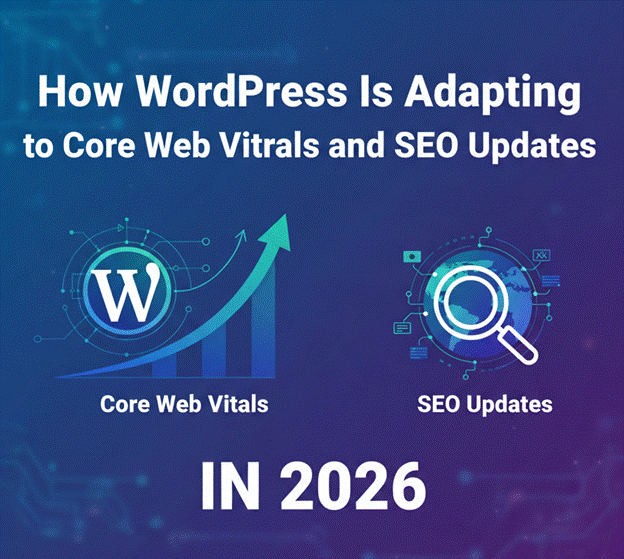
Imagine at 7:00 a.m., somewhere in the world, a small business website lost half its traffic. No server crashes, no hacking attempts, and no frustrated customer reviews. Just a silent shift in how Google decided to measure experience.
Core Web Vitals are based on three key metrics, which Google uses to measure the user experience on webpages, focusing on loading speed (Largest Content Paint-LCP), interactivity (Interaction to Next Paint-INP), and visual stability (Cumulative Layout Shift-CLS). These areas are measured for how webpages are working positively or negatively amongst users.
Do you wanna know how these metrics are used to measure the speed of webpages? Why do they matter? Don’t worry… all your queries are answered in this article! Let’s just delve into the backbone that lets your website rank on Google’s first page.
Key Takeaways:
- Core Web Vitals are key Google metrics measuring user experience for loads, interactivity, and visual stability.
- Good core web vitals are included with better user experience, more traffic, enhanced SEO and Search ranking, and more.
- Improve your website by optimizing images, using a Content Delivery Network(CDN), optimizing fonts and videos, and minimizing JavaScript execution.
- SEO is one of the strongest activities to increase the traffic on websites, such as understanding your audience, creating valuable content, targeting long-tail keywords, and more.
Let’s explore how effective the core web vitals ranking factor 2026 is!
What Are Core Web Vitals In 2026?
Core Web Vitals are three key measurements used by Google’s ranking factor to evaluate page experience. These metrics are measured to check individual web pages to know their performance and quality.
- Largest Contentful Paint (LCP): You know, 2-3 seconds, 30% of users close the website, as they are experiencing low speed! Slower websites lose their conversion rates, or sometimes even shut down. LCP is measured for loading performance; web pages should display the largest visual element in 2.5 seconds or less.
- Interaction to Next Paint (INP): INP is used to check the responsiveness of web pages. According to Google’s web performance guidelines, INP around 200 milliseconds is considered to be great.
- Cumulative Layout Shift (CLS): CLS measures webpage stability by quantifying unexpected content movement during loading, how much screen space is affected, and how far elements move. Web pages should maintain a CLS score of 0.1 or lower to avoid disruptive shifts.
These metrics may be very technical, but they directly affect how users feel when they land on your website. If it takes more span time to respond, or if layout jumps unexpectedly, users will leave. Hire a Digital Marketing Agency that drives real growth for your business.
Why Page Experience Still Drives SEO?
As people haven’t changed yet, their patience hasn’t grown, their attention hasn’t grown, and their expectations haven’t dropped. If anything has changed or risen, Search engines follow people, not the other way around.
Core Web Vitals are not optional add-ons. They remain a ranking factor because they tie directly to user satisfaction and business outcomes.
Core Web Vitals are among the quality signals Google considers when ranking sites.
Google considers various signals, including site speed, user engagement, brand authority, and reputation, to determine how pages should rank in search results.
User experience metrics (such as Core Web Vitals) are becoming increasingly important for search engines when judging the relevance of content. This change demonstrates how much weight Google gives to user experience when determining which is the best content available on the Internet. Users expect websites to work well (function) and to be optimally designed for search engines (SEO). Users expect their visit to a website to provide them with a clear path, a visually appealing experience, a reason to trust the website, and an incentive to take action (purchase).
Mobile First Indexing
Google uses the mobile version for ranking and crawling. If your mobile version is slow or unstable, your search rankings suffer. Having a mobile-friendly website is essential for mobile-first indexing, as it ensures users have a seamless experience on smartphones and helps improve your SEO rankings. Mobile friendliness is no longer a bonus; it is mandatory.
User Engagement
More traffic to the website, more conversion rates. Search engines consider signals like bounce rate, dwell time, and repeat visits. A site that responds in milliseconds feels smooth, keeps users engaged, which signifies a strong positive signal to Google.
Search Intent
To satisfy the modern user, simply matching words to search terms will not work. The best way to satisfy this need is through quality content that focuses on real user needs and quickly loads. When useful content and a smooth user experience are presented together, the user builds trust
on a website.
Beyond Traditional Search: The New Search Era
Search has grown up with us. It’s no longer about guessing the right keywords or clicking through endless links. Today, search listens, understands, and responds like a helpful companion. You can speak up your queries, show a photo, or simply express a need and get answers that feel personal and relevant. Let’s know some of the top search tools and how they enhance users’ experience.
Visual Search
Visual search lets users find information using images instead of words. Simply snap, upload, or point a camera to instantly discover products, places, or details, blending AI vision with intuitive, effortless exploration.
Voice Search
Voice searches allow people to speak naturally to find answers, products, or directions, making searches faster, hands-free, and more personal, as technology listens, understands intent, and responds like a helpful conversation partner.
Google’s SGE
Google Search Generative Experience, now popularly known as AI overviews, is used for providing AI-generated, synthesized answers and summaries at the top of search results.
Multimedia content
Multimedia content combines various media like text, images, audio, video and animation into a single digital experience to convey information or entertain, used across various fields.
SEO Strategies for 2026
Search Engine Optimization in 2026 is no longer just about keywords and backlinks. Google algorithms have evolved to reward exceptional user experience, fast performance, and trustworthy content. At the centre of this evolution lies the Core Web Vitals’ impact on SEO, especially for websites built on WordPress.
Performance First SEO
Performance is now inseparable from SEO. Core web vitals impact on seo by influencing rankings, crawl efficiency, and user engagement.
Content Strategy
Make sure your content aligns with search intent, create helpful content that directly answers the queries, and use structured data for feature snippets, FAQs, and rich results.
Mobile and UX Domination
Ensure mobile friendliness design is mandatory, access, and easy readability, and WordPress web vitals strongly influence mobile UX scores.
Visual and Voice Search
Optimize image SEO with alt text and compression, and prepare for voice search by writing conversational queries and answers. Improve video content delivery without harming page speed.
Continuous Monitoring
Keep tracking core web vitals through Google Search Console, monitor updates to Google’s algorithm and core updates, and benchmark against competitors to adjust SEO strategies.
Conclusion
In 2026, WordPress continues to evolve by prioritizing speed, stability, and user experience through Core Web Vitals and focused updates. With smarter performance tools and SEO-friendly enhancements, site owners can stay competitive, visible, and user-focused in an ever-changing digital landscape.


More Stories
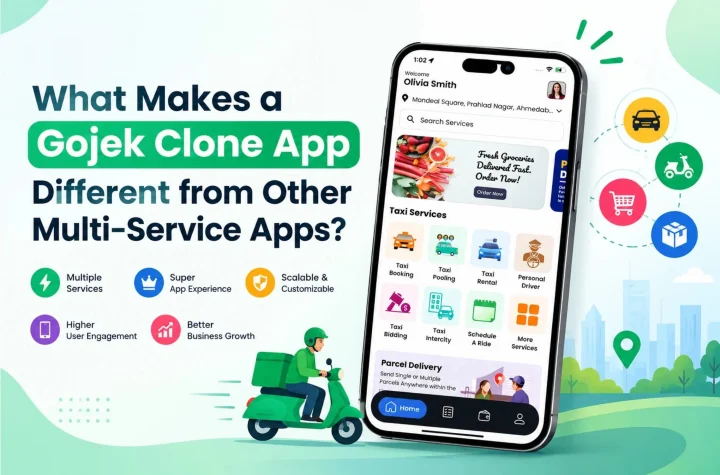
What Makes a Gojek Clone App Different from Other Multi-Service Apps?
How to Choose the Best SEO Company in USA for Your Business
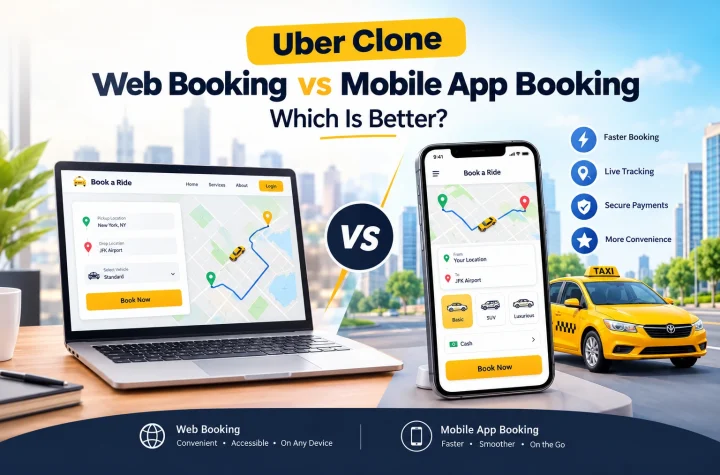
Uber Clone Web Booking vs Mobile App Booking: Which Is Better?