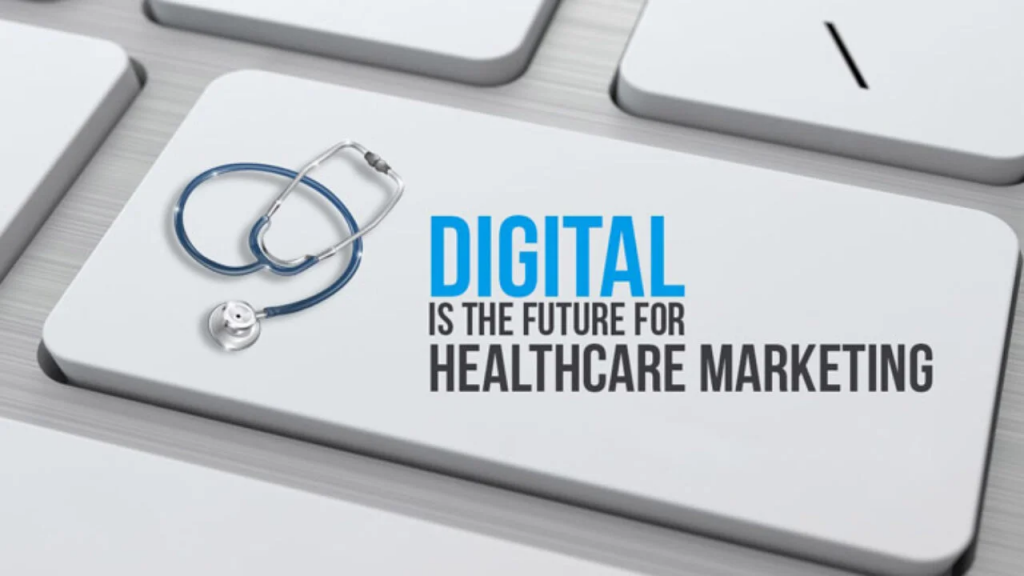
Maybe you are asking how it is that so many physicians have the modern website on which they operate their practice and why some hospitals are now marketing themselves and providing healthcare efficiency via a social network like Instagram with suggestions for healthy living. We are experiencing the dramatic effects of healthcare online marketing through the vast improvement of the physician-patient relationship. No longer do we have Yellow Pages listings, nor do we hear radio advertisements. We are moving forward into an era where digital marketing has completely changed the game of connecting clinics and patients.
In this article, we will highlight how online marketing is changing the landscape of healthcare by improving patient confidence to book appointments and creating online consultation opportunities that have become new standards for patient engagement. We will also include some examples, numbers, and the importance of using online marketing from the perspective of the healthcare professional and beyond. If you are a healthcare professional or merely curious about how this new form of marketing is impacting healthcare, this article will give you a unique perspective when you visit your next medical provider.
The significance of Digital Marketing in Healthcare is that it provides access to information at the appropriate time to the appropriate audience. Telehealth saw an unprecedented growth in the wake of the COVID-19 pandemic. The McKinsey Study indicated that the number of Telehealth Visits increased by 38 times in the U.S. alone. Clinics that utilized online Marketing in Healthcare effectively using targeted Facebook Ads saw dramatic increases in their patient population.
So why did this happen? Cost. Traditional Advertising costs were associated with a broader audience. Digital marketing allows you to hone your marketing messages to be very specific such as “Diabetes Care in Delhi” for people using that search phrase or terms. Digital Marketing is specific and customized — it can also easily be measured.
Search Engine Optimisation (SEO) & Content — Establishing Trust with Every Search. Consider for a moment typing in your local search query in Google for “best dentists near me.” The top search query results are the winners. SEO is the heart of online Marketing in Healthcare. Since Patients and Consumers evaluate and trust the websites in the top rankings.
“Five Ways to Control Hypertension” is an example of a blog made by a hospital that took advantage of using SEO. Instead of trying to sell something, these blogs provide people with the information they need, while including semantic keywords associated with blood pressure diets and heart-healthy tips. Google rewards this type of content with a high ranking.
According to Cleveland Clinic’s website, they are excelling at SEO strategies. In fact, according to a study conducted by Ahrefs (2024), Cleveland Clinic’s health blog receives millions of visitors every month. As demonstrated by a 25% increase in inquiries from patients after implementing changes based on SEO tactics. This is what an Indian hospital would need to do to utilize online marketing in the health sector – optimizing their health services locally, such as “pediatrician in Mumbai”.
LSI keywords here? Think patient education, wellness blogs, health SEO—words that signal relevance to search engines without stuffing.
How do you feel about having no visitors? How can I get more people to visit my website? Create a content calendar and publish evidence-based information related to mental health stigma, depression, etc. When you create posts on these topics, try to write them as if you were giving advice to a friend. “Hello friend! Do you experience anxiety? Here is a list of breathing techniques recommended by the Mayo Clinic”.
Patients on Social Media
Social media isn’t only for sharing pictures of cats; it has changed the way we market our businesses online.Social media is filled with discussions about healthcare, and social media is useful in helping patients tell their stories through visual stuffing.
Consider Apollo Hospitals’ Instagram reels on “post-surgery recovery hacks.” They rack up thousands of shares, driving 15% more appointments (per their 2024 annual report). Digital marketing shines here with targeted ads: Show yoga tips to 30-somethings interested in fitness.
The importance of digital marketing in healthcare? Engagement. A Hootsuite survey notes 70% of patients follow brands for health advice. Use polls—”What’s your biggest fitness hurdle?”—to spark chats. Evidence from Sprout Social: Responsive brands see 2x loyalty.
In India, online marketing for healthcare thrives on WhatsApp Business for reminders. Cloud-based tools like these make it seamless—think scheduling via chatbots.
LSI cloud: Social media marketing, patient testimonials, influencer partnerships, community building, viral health campaigns.
Paid Ads and PPC: Quick Wins for Busy Clinics
Need patients fast? Enter PPC (Pay-Per-Click) ads on Google or Facebook. You bid on keywords like “emergency dentist Delhi,” and voila—top spot.
Evidence: According to WordStream, healthcare PPC produces a 2:1 return on investment. A small clinic in Bangalore spent ₹50,000 on Google Ads and saw a total of 200 leads in their first month of using Google Ads. The landing page offered free consultations, targeting the pain points of knee pain relief.
Pro tip: Retargeting works! If you see an ad for a physical therapist, it will follow you around the web. Is this ethical? Yes! Be sure to always disclose what you are doing and how it creates value.
Email and Personalization: Nurturing Long-Term Relationships
Emails feel old-school, but in digital marketing, they’re powerhouses. Personalized newsletters—”Your diabetes check-up reminder, Raj”—boost open rates by 26% (Campaign Monitor stats).
Healthcare wins big: Send tips on “seasonal flu prevention” with CTAs for vaccines. Max Healthcare’s drip campaigns retain 30% more patients yearly.
Question: How do you keep patients coming back? Conversational answer: Segment lists—new moms get baby care emails. Evidence from HubSpot: Personalized emails convert 6x better.
Telemedicine and Apps: The Future of Online Marketing
Online marketing fuels telemedicine apps like Practo or 1mg. Marketing them? App store optimization and YouTube demos. A 2025 Deloitte report predicts India’s telehealth market at $5.4B, thanks to digital marketing.
Push notifications—”Book your virtual check-up now”—drive usage. LSI keywords: Virtual consultations, mobile health apps, remote patient monitoring.
Challenges and How to Overcome Them
HIPAA or India’s DPDP Act? Compliance is key. Online marketing for healthcare must anonymize data. Solution: Use GDPR tools.
Budget tight? Start free—organic social posts. Measure with Google Analytics: Track “form submissions” as wins.
LSI cloud: Data privacy, regulatory compliance, ROI tracking, analytics tools, ethical advertising.
Real-World Wins: Case Studies That Inspire
Mayo Clinic: YouTube series on “cancer myths” garnered 10M views, upping referrals 18%.
Indian Example: Fortis used LinkedIn for doctor spotlights, growing B2B ties 40%.
These prove online marketing delivers.
Wrapping It Up: Your Next Step in Healthcare Marketing
Online marketing isn’t optional—it’s revolutionizing healthcare. From SEO trust-building to social engagement, it’s patient-centric magic. The importance of digital marketing in healthcare? Empowered patients, fuller clinics, healthier communities.
Ready to dive in? Audit your site, post a Reel today. Your patients are waiting online.
FAQs
Q1: What is the importance of digital marketing in healthcare?
A: It helps reach patients where they search (online), builds trust via content, and boosts bookings—80% of folks Google symptoms first (Statista).
Q2: How can small clinics use online marketing for healthcare?
A: Free tools! Post health tips on Instagram, optimize Google My Business, and email reminders. Start small for big ROI.
Q3: Is online marketing compliant for healthcare?
A: Yes, with rules like anonymized data. Tools like Consent Management Platforms keep you safe.
Q4: What is the best social media for marketing in the healthcare field?
Answer: “Instagram is good for visuals, LinkedIn is used by professionals, and Facebook can reach all age groups. Use the social media platform that best fits your target audience.”
Q5: How can I measure if my online marketing is successful?
Answer: You can track website traffic, leads, and conversions using Google’s Free Analytical Tool, Google Analytics. Conversion rates should be from two to five percent.


More Stories
What Makes a Gojek Clone App Different from Other Multi-Service Apps?
How to Choose the Best SEO Company in USA for Your Business
Uber Clone Web Booking vs Mobile App Booking: Which Is Better?