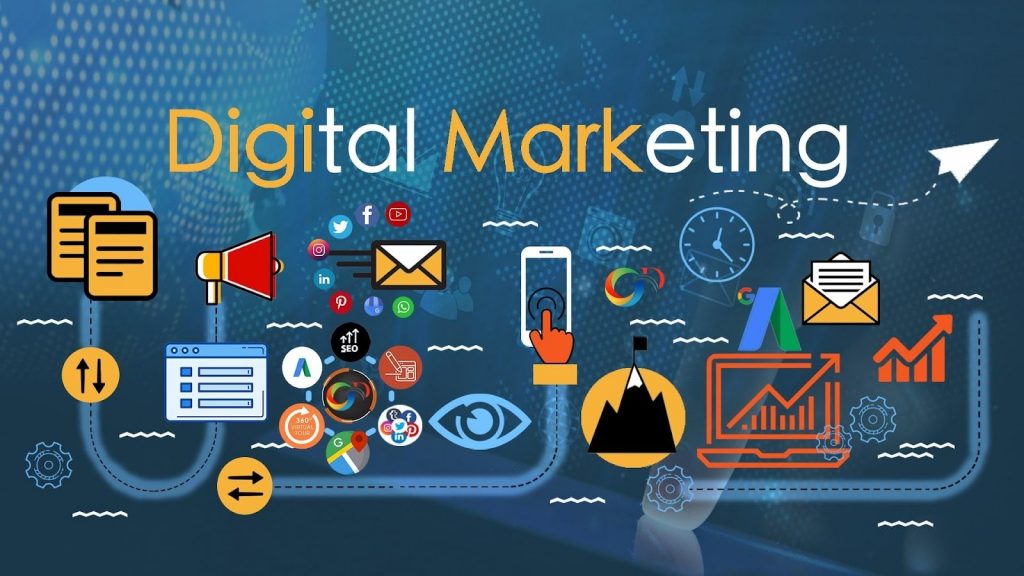
Technology has completely changed marketing, and marketers now use more than just traditional methods. In the current world, companies are heavily relying on technology, data, and diverse internet platforms to attract and communicate with their targeted customers more effectively. Businesses use digital marketing to advertise products and services through the internet or electronic devices. This informational technical brief explores the fundamental aspects, instruments, innovations, strategies, and emerging trends of digital marketing that are going to be the next industry change.
Search Engine Optimisation (SEO)
Search Engine Optimisation is a key part of digital marketing. It focuses on improving a website’s ranking on search results. Marketers achieve this using non-paid methods instead of advertising.
It involves a combination of technical, on-site, and off-site activities. These efforts collectively help search engines locate and rank the targeted websites.
One can find many institutes providing Digital Marketing Training in Noida. In addition to on-page and off-page SEO, technical SEO also include:
- Helping the website speed, mobile-friendliness, and correct indexing.
- Making it simpler for the use of structured data (schema markup) by the crawler.
- It works to change the URL structure and site navigation to result in a better user experience.
Pay-Per-Click (PPC) Advertising
PPC advertising is the one that helps the brand or product to become the most visible to the searching and social media-using public. To make a distinction from natural SEO, it operates on a pay-per-click basis. Thus, the advertiser acquires instant traffic together with a tool to measure his/her ROI. The main technical points for this:
- Ad Auction: Google Ads and similar networks automatically run a bidding system, awarding winners based on bid, ad quality, relevance, and other factors.
- Quality Score: A score that is influenced by factors such as click-through rate (CTR), landing page experience, and ad relevance.
- Campaign Optimisation: A few steps towards one or more marketing efforts’ overall performance are the usage of split testing on the ad call, changing the bidding strategy, and following the results with the help of a conversion tracking pixel.
- Analytics Integration: By the use of Google Analytics and conversion tracking instruments, the implementation and ROI of a campaign can be evaluated at any time.
Social Media Marketing (SMM)
Social media platforms offer great opportunities for brands in customer retention and engaging more people. On a technical level, SMM relies on algorithms, audience segmentation, and data-driven content strategies. Many institutes provide Digital Marketing Course in Visakhapatnam, and enrolling in them can help you start a career in this domain. The main technical areas of work are:
- Algorithm Understanding: Platforms mostly give priority to those engagement metrics that are easy to count, e.g. comments, shares, and the time users spend watching a video.
- Targeting and Retargeting: The job of tools like Meta Ads Manager is to locate the features of a certain group by means of cookies and behavioural data.
- Analytics Dashboards: They provide a lot of valuable data, such as impressions, engagement rate, and conversion tracking, that can be utilised for the perfecting of campaigns.
- Automation Tools: Applications such as Buffer or Hootsuite not only arrange your posts but also evaluate your results and give you the possibility to efficiently handle several accounts.
Email Marketing Automation
Email marketing is still one of the major digital marketing channels that can bring high returns after investment. The contemporary manner of it is mainly dependent on automation, segmentation, and personalisation, all of which are data analytics-driven. Major IT hubs like The technical elements are as follows:
- Automation Platforms: Mob Chimp, HubSpot, and ActiveCampaign are good examples of platforms that produce automated workflows that are based on actions and user behaviour.
- Segmentation: Categorising users by demographic, interest, and purchase pattern to send them the most appropriate messages.
- A/B Testing: The opening and clicking on a line are improved by the testing of the subject lines, CTA buttons, and templates.
- Deliverability Management: Marketers ensure their emails reach recipients’ inboxes by monitoring bounce rates, checking spam filters, and maintaining a strong sender reputation.
Conclusion
Digital marketing has changed the ways businesses interact with their potential customers through creativity, data, and technology. Every component, from SEO and PPC to analytics and AI, plays a part in building a unified marketing ecosystem. This ecosystem ultimately leads to measurable outcomes.
To further know about it, one can visit the Digital Marketing Course in India Online. Moreover, companies using digital tools effectively can outperform rivals and strengthen their market position. They accomplish this by cultivating stronger customer relationships and focusing on strategies that drive long-term, sustained growth. As digital landscapes change, marketers must adapt strategies to effectively use new innovations and insights from consumers.




More Stories
The Growing Importance of Backend Optimization in Websites
Mobile Apps Become a Growing Part of Modern Digital Marketing Strategies
How to Choose the Best SEO Company in Singapore for Your Business